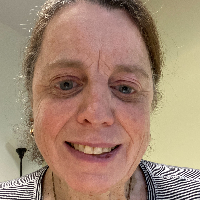
About Anne
Anne Keyes is a licensed marriage and family therapist (LMFT) practicing in Massachusetts. She brings a calm, straightforward approach to sessions and focuses on helping people manage stress, anxiety, addiction, trauma, low self-esteem, depression, and anger.
Background and approach
Her style is warm and supportive, and she aims to make conversations feel simple and doable. She uses client-centered methods to put the person’s goals first.
That means sessions start with what matters to the client and move at their pace. She also draws on cognitive behavioral techniques to help people notice unhelpful thoughts and try small experiments to change them.
Motivational interviewing is part of her toolkit for people facing addiction or who feel stuck about making change. It’s a gentle way to explore ambivalence and strengthen a person’s own reasons for moving forward.
For people with trauma histories she includes trauma-focused ideas to help process difficult memories and reduce their hold on day-to-day life. Sessions are conversational and practical.
Anne aims to break goals into small steps and to practice skills between meetings. She keeps language plain and focuses on tools people can use right away.
If someone wants to start, they complete a short matching questionnaire and schedule a time that fits. Therapy uses a subscription that can be canceled at any time, and sessions are offered through video, phone, live chat, or text messaging.
How Anne’s Approaches Work Online
Anne uses client-centered therapy to start. That means conversations focus on the person’s goals, values, and what matters most to them. Sessions begin where the client is and move at a comfortable pace.She also uses cognitive behavioral therapy or CBT to address patterns that keep problems going. CBT helps people identify unhelpful thoughts, try different actions, and notice what changes. This approach works well for anxiety, depression, and stress because it breaks problems into manageable steps.
Finding the right approach is a collaborative process. The therapist will talk with the client about their goals and preferences, and together they decide which methods to try. Plans are adjusted as progress is made so the work stays relevant and useful.
Online formats include video calls, phone sessions, live chat, and text-based messaging. Video is good for more interactive work and skill practice, while phone sessions can fit into a busy day or require less bandwidth. Live chat and messaging let people check in between sessions or use brief written exchanges for quick support. These options make it easier to keep therapy consistent around work, family, and daily life.
Frequently asked questions
What concerns does Anne help with?
How would you describe her therapy style?
What is her professional background?
Where does she practice and what are her credentials?
Are sessions offered in other languages or internationally?
Which session formats are available?
How is cost handled for sessions?
What are the first steps to begin therapy?
Specialties and expertise
Top specialties
Also works with
- Anger management
- Depression
- Self esteem
Therapeutic approaches
- Experience
- 3 years
- Licensed
- Massachusetts
- Languages
- English