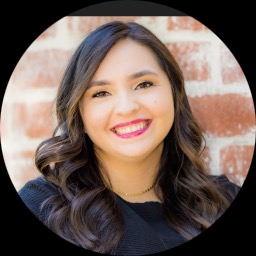
About Carina
Carina Bedolla offers calm, practical support for people feeling overwhelmed by stress, anxiety, or past trauma. She writes and talks in a straightforward way and focuses on helping clients find coping skills they can use day to day.
Background and approach
Carina practices in California and brings nine years of clinical experience to sessions. She focuses on stress, anxiety, and trauma and has also worked with substance use concerns.
Carina uses methods that help people notice and change unhelpful thoughts and reactions. Sessions emphasize clear goals and small steps that build toward steadier functioning.
Carina aims to make sessions feel open and nonjudgmental. She invites clients to share thoughts and feelings at their own pace.
Together they map what matters most and pick techniques that match each person’s needs. Her style is collaborative and practical.
Clients can expect to learn coping tools, practice them between sessions, and track progress over time. Conversations are direct and supportive, with an eye toward real-life changes.
Carina holds the licenses LPCC and LMFT in California. She offers sessions in English and provides video calls, phone sessions, live chat, and text-based messaging to fit different schedules and preferences.
Approaches that translate well to online care
Carina uses evidence-based therapeutic techniques that adapt well to remote sessions. Cognitive Behavioral Therapy focuses on identifying and changing unhelpful thoughts and behaviors; it teaches practical skills for managing anxiety and stress and provides steps people can practice between sessions. Eye Movement Desensitization and Reprocessing helps process disturbing memories by pairing focused attention with guided techniques; it is often used for trauma-related symptoms and can reduce the intensity of upsetting memories.Choosing the right approach is part of the work she does with each person. She will review goals, preferences, and what has or hasn't worked in the past, then help pick methods that fit the client’s needs. That decision is collaborative and can change as progress is made.
Online therapy offers flexible ways to meet. Video calls let the therapist and client work in real time with visual cues. Phone sessions can be useful when bandwidth is limited or when a shorter check-in is needed. Live chat and text-based messaging allow brief, frequent contact and can fit into busy days. These options make it easier to keep continuity of care and to try different formats to see what works best.
Frequently asked questions
What kinds of concerns does she address?
What is her therapeutic style?
How much clinical experience does she have?
What credentials and location are listed?
Which languages are sessions offered in?
Can international clients arrange sessions?
What session formats are available?
How are costs and starting steps handled?
Specialties and expertise
Top specialties
Also works with
- Experience
- 9 years
- Licensed
- California
- Languages
- English