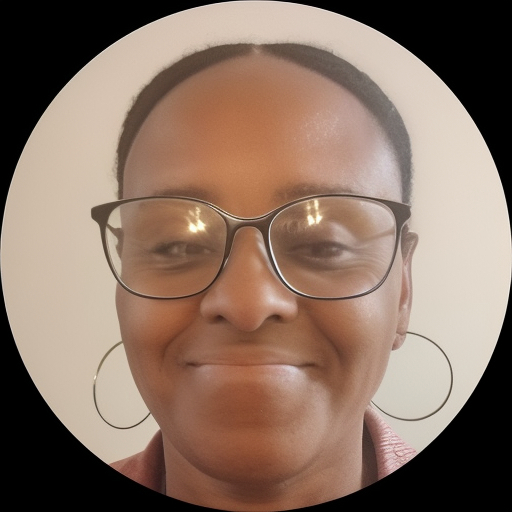
Celestine Thompson, LMFT
Practical support for stress and relationship strain
About Celestine
Celestine Thompson helps people facing stress, anxiety, depression, and major life changes. She focuses on building communication skills, easing feelings of isolation, and restoring a sense of purpose.
Background and approach
Celestine presents a calm, steady presence for clients who want practical tools and clearer next steps. She brings five years of clinical experience and practices as a Licensed Marriage and Family Therapist in California.
Celestine listens for values and cultural context, and she respects faith or secular perspectives equally. She often helps people who feel stuck by breaking problems into manageable parts and setting small, realistic goals.
Sessions tend to be collaborative and paced to the client's comfort. Celestine works on practical communication techniques, approaches to reduce social anxiety, and ways to rebuild self-esteem after setbacks.
She also addresses forgiveness and relationship patterns that contribute to ongoing stress. Her style is direct but warm, focusing on skills people can use between sessions.
Clients can expect straightforward feedback, homework that fits everyday life, and attention to what matters most to them. Celestine encourages curiosity about patterns rather than blame.
People who choose her often want to improve everyday functioning and reconnect with what gives life meaning. She helps clarify priorities, manage symptoms day to day, and practice new ways of relating to others.
Celestine aims to make therapy feel like a steady, practical partnership rather than a series of abstract conversations.
Evidence-based approaches and how they work online
Two common approaches used in her practice are skill-focused therapy and problem-solving work. Skill-focused therapy teaches concrete techniques for managing anxiety and stress, such as breathing, grounding, and communication exercises; these techniques help when anxiety spikes or daily stress becomes overwhelming. Problem-solving work breaks down big transitions or relationship challenges into smaller steps and practical actions, which can reduce feeling stuck and increase a sense of control.Finding the right approach is a shared process. The therapist will talk with clients about goals and try methods that fit their needs and pace. Together they review what helps and adjust methods over time so the work stays useful and relevant.
Online therapy offers several practical benefits. Video calls let people see facial expressions and try communication exercises live. Phone sessions can be easier when a quieter connection or lower bandwidth is needed. Live chat or text-based messaging supports brief check-ins, ongoing coaching, or notes between sessions without scheduling a full meeting. These formats make it easier to fit therapy into busy lives and to keep progress moving forward.
Frequently asked questions
What problems does she help with?
What is the therapeutic style like?
How much clinical experience does she have?
What credentials and location are listed?
Which languages are sessions offered in?
Can international clients work with her?
What session formats are available?
How does the cost and getting started process work?
Specialties and expertise
Top specialties
- Stress, Anxiety
- Family conflicts
- Self esteem
Also works with
- Experience
- 5 years
- Licensed
- California
- Languages
- English