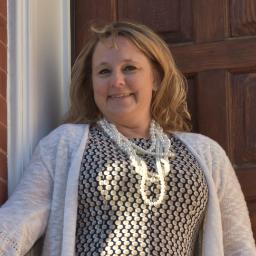
About Christy
Christy Rideout uses a practical, person-centered approach to help people move forward. She is a licensed marriage and family therapist in North Carolina with five years of experience.
Background and approach
Christy focuses on clear goals and steady progress in sessions. She often works with people facing relationship strain, trauma and abuse, low self-esteem, depression, and big life changes.
Conversations are direct but gentle, aimed at understanding what matters most to the client. Christy adapts each plan to match a person’s situation and preferences.
In sessions she listens for patterns that keep someone stuck and helps identify small, workable steps to try between meetings. When trauma is involved, she may use EMDR to help process distressing memories in a paced way.
The emphasis is on reducing symptoms and improving day-to-day functioning. Christy aims to create a respectful space where concerns can be named without judgment.
She balances practical strategies with emotional support so clients can build confidence and restored motivation. People who want straightforward, goal-focused work often find this approach helpful.
Christy encourages steady progress and checks in regularly to make sure the plan still fits the client’s needs.
How EMDR and online care can support healing
EMDR, or Eye Movement Desensitization and Reprocessing, is a method that helps people process and reduce the intensity of traumatic memories. It typically involves guided attention and structured steps to revisit distressing events while building coping skills to handle emotional reactions.Christy focuses on practical, goal-oriented work and may use EMDR when trauma or abuse has caused ongoing distress. She will discuss the method and what to expect, then move at a pace that feels manageable for the client.
Finding the right approach is part of the process. The therapist works collaboratively to match methods to a client's needs, goals, and preferences. Together they review options, try what feels suitable, and adjust the plan as progress is made.
Online therapy offers flexible ways to meet. Video calls let the therapist and client work face-to-face when possible. Phone sessions can fit a shorter check-in or be easier when bandwidth is limited. Live chat and text-based messaging allow for brief updates, reflections between sessions, or a different communication style when writing helps express what is hard to say aloud.
These formats make it simpler to fit therapy into a busy life and to continue steady work toward goals without extra travel.
Frequently asked questions
What issues does this therapist help with?
What is the therapist's style in sessions?
How much clinical experience does she have?
What are the therapist's credentials and location?
Which languages are supported?
What session formats are available?
How does billing and cost work?
How do I begin working with this therapist?
Specialties and expertise
Top specialties
- Relationship issues
- Trauma and abuse
- Self esteem
Also works with
Therapeutic approaches
- Experience
- 5 years
- Licensed
- North Carolina
- Languages
- English