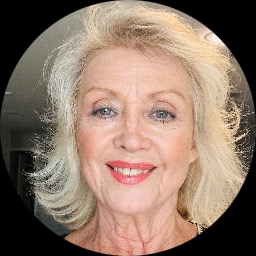
About Cynthia
Dr. Cynthia Curnan helps people facing stress, anxiety, relationship struggles, trauma, grief, and intimacy-related concerns.
Background and approach
She is Dr. Cynthia Curnan and brings a calm, direct presence to sessions.
Her approach focuses on practical steps people can use right away. She blends talk therapy with body-focused and mind-based techniques.
That can include breath work, focused meditation, dream work, and interactive hypnotherapy. She also uses trauma-focused strategies and EMDR when trauma memories are part of the problem.
Clients often work on self-knowledge and patterns that keep them stuck. She guides people to notice inner voices and habits such as perfectionism.
Then she helps them replace harsh inner rules with clearer goals and a steadier sense of self. Dr.
Curnan received her California license as a marriage and family therapist and holds a PhD in psychology. She has been working in clinical practice for over 30 years and wrote a book about perfectionism and how it blocks growth.
Sessions emphasize practical tools, emotional awareness, and learning how to make different choices. The focus is on what people can do between sessions as well as what happens in them.
The work aims to reduce overwhelm, improve communication, and restore a sense of agency and purpose.
How clinical approaches translate to online work
Dr. Curnan uses Cognitive Behavioral Therapy and EMDR to help people address upsetting thoughts and painful memories. CBT focuses on identifying unhelpful thinking and trying new behaviors to change how life feels. EMDR works with distressing memories by combining focused attention with guided processing to reduce the intensity of those memories.Choosing the right approach is a collaborative process. The therapist will talk with the client about goals, symptoms, and personal preferences. Together they decide whether to emphasize CBT, EMDR, or other techniques and adjust the plan as progress is made.
Online sessions are offered by video call, phone, live chat, or text-based messaging to make care more accessible. Video calls let people work face to face from wherever they are. Phone sessions can fit a break at work or require less bandwidth. Chat or messaging supports shorter check-ins or ongoing reflection between sessions. These options help people fit therapy into busy lives while still using focused clinical methods.
Frequently asked questions
What kinds of problems does she focus on?
How would you describe her therapeutic style?
How much clinical experience does she have?
What are her credentials and where is she based?
Can non-US clients work with her and which languages are used?
What session formats are available?
How is cost handled for sessions?
What are the first steps to begin therapy?
Specialties and expertise
Top specialties
- Stress, Anxiety
- Relationship issues
- Trauma and abuse
Also works with
- Abandonment
- Caregiver issues and stress
- Chronic pain, illness, and disability
- Communication problems
- Control issues
- Divorce and separation
- Forgiveness
- Grief
- Guilt and shame
- HIV / AIDS
- Hoarding
- Hospice and end-of-life counseling
- Intimacy-related issues
- Jealousy
- Life purpose
- Midlife crisis
- Money and financial issues
- Mood disorders
- Narcissism
- Panic disorder and panic attacks
- Polyamory / non-monogamous relationships
- Post-traumatic stress
- Self-love
- Social anxiety and phobia
- Women's issues
- Workplace issues
Therapeutic approaches
- Experience
- 32 years
- Licensed
- California
- Languages
- English