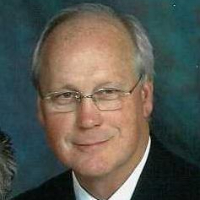
About David
David Thomas is a licensed marriage and family therapist with 11 years of clinical experience. He brings a long-standing interest in how relationships shape life and aims to help people find more balance in how they live and connect.
Background and approach
David practices in Florida and offers care in English. David focuses on relationship and family concerns alongside issues like trauma, depression, anxiety, and addiction.
He also helps with parenting challenges, grief, intimacy-related concerns, and mood disorders including bipolar. Additional areas of attention include adoption and foster care, cancer-related strains, infidelity, and family-of-origin problems.
His work combines straightforward conversation with evidence-informed methods. David uses client-centered listening to understand each person, cognitive behavioral techniques to change unhelpful thinking and behavior patterns, and trauma-focused methods for processing past harm.
Sessions are organized to identify goals and take practical steps toward them. He incorporates assessment tools to clarify needs and track progress.
These measures help guide treatment planning and can support shorter-term work when that fits a person's goals. David describes therapy as a team effort where steps are matched to what a person wants to achieve.
Outside of practice he draws on a long marriage and family life, and a background that includes a Master of Church Music and a Master of Psychology Counseling with an emphasis in Marriage and Family Therapy. He lives in Florida and shares his home with a cat named Soxy.
How David’s Approaches Work Online
Client-Centered Therapy is about being heard and understood. The therapist listens closely, reflects what matters most, and helps people set their own goals. This approach is useful for relationship concerns, self-esteem work, and deciding next steps in life.Cognitive Behavioral Therapy, or CBT, focuses on identifying thoughts and behaviors that keep problems going. It uses practical exercises and experiments to build new patterns for mood, anxiety, and stress management. Clients often leave with concrete skills they can use between sessions.
Trauma-Focused Therapy helps people process and reduce the hold past harm has on daily life. It emphasizes pacing, safety, and methods to work through traumatic memories so they cause less disruption in relationships and functioning.
Finding the right approach is part of the work together. The therapist will collaborate with each person to pick or blend methods that match their goals, preferences, and life situation. That plan can change as progress is made and needs shift.
Online sessions give practical flexibility. Video calls let people see facial cues and use screen-shared worksheets. Phone sessions require less bandwidth and let someone check in during a break. Live chat or text messages can be useful for brief check-ins, ongoing coaching, or noting small changes between full sessions. These options make it easier to fit therapy into a busy life and keep steady momentum toward goals.
Frequently asked questions
What kinds of concerns does he address?
How would you describe his therapy style?
What is his professional background?
Where does he practice and what are his credentials?
Can I work with him if I live outside the U.S.?
What session formats are available?
How is cost handled?
How do I begin working with him?
Specialties and expertise
Top specialties
- Relationship issues
- Family conflicts
- Trauma and abuse
Also works with
- Addictions
- ADHD
- Adoption and foster care
- Anger management
- Bipolar disorder
- Cancer
- Career difficulties
- Coaching
- Compassion fatigue
- Coping with life changes
- Depression
- Eating disorders
- Family of origin issues
- Family problems
- Grief
- Infidelity
- Intimacy-related issues
- Mood disorders
- Parenting issues
- Post-traumatic stress
- Self esteem
- Stress, Anxiety
Therapeutic approaches
- Experience
- 11 years
- Licensed
- Florida, Tennessee
- Languages
- English