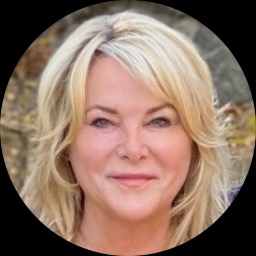
About Dianne
Dianne Martin is a licensed Marriage and Family Therapist practicing in California with 15 years of clinical experience. She focuses on helping people who feel stuck by offering steady support and practical ways to move forward.
Background and approach
Her approach is warm and direct, aimed at making it easier to talk about hard topics and take the next steps. She helps people navigate relationship struggles, grief, anger, career doubts, and depression.
Dianne also addresses communication problems, forgiveness, guilt and shame, isolation and loneliness, questions about life purpose, and building self-love. Sessions center on honest conversation and clear next steps rather than theory-heavy lectures.
Dianne believes healing happens through real connection. She works to create an open space where thoughts and feelings can be shared without judgment.
That makes it easier to name what’s happening and try new ways of coping. Practical work in sessions may include identifying patterns that get in the way, practicing clearer communication, and setting manageable goals outside of sessions.
She encourages clients to try small changes and notice their effects over time. Starting therapy can feel brave and uncertain.
Dianne aims to make the first steps straightforward and supportive, listening first and then tailoring the pace to each person’s needs.
Evidence-based approaches and online flexibility
Two commonly used evidence-based techniques are practical skills training and relational work. Practical skills training focuses on concrete tools - such as communication skills, emotion regulation strategies, and step-by-step problem solving - that help when anger, depression, or career stress get in the way. Relational work emphasizes patterns between people, helping clients notice how they connect with others and try new ways of relating to reduce conflict and loneliness.Finding the right approach is a collaborative process. The therapist will listen to your concerns, goals, and preferences, then suggest techniques that fit your situation. Together you can try methods and adapt them based on what helps most in daily life.
Online sessions offer several practical benefits. Video calls let people work face-to-face from different locations while keeping visual cues in the conversation. Phone sessions can be a good option when bandwidth is limited or a shorter check-in is needed. Live chat and text-based messaging provide flexible ways to touch base between sessions or to communicate when typing feels easier than speaking. These options make it simpler to fit therapy into a busy schedule and to continue work even when life is hectic.
Frequently asked questions
What concerns does this therapist help with?
How would you describe the therapy style?
What is her professional background?
Where is the therapist licensed and based?
Which languages are used in sessions?
Are international clients accepted?
What formats are available for sessions?
How does cost and scheduling work?
Specialties and expertise
Top specialties
- Relationship issues
- Grief
- Anger management
Also works with
- Experience
- 15 years
- Licensed
- California
- Languages
- English