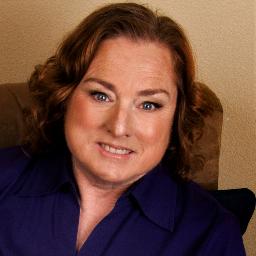
Dianne Smith, LMFT
Practical, skill-focused therapy for life challenges
About Dianne
Dianne Smith is a licensed marriage and family therapist with 43 years of experience. She approaches therapy in a direct, practical way while aiming to remain kind and understanding.
Background and approach
She emphasizes teaching useful skills and helping people meet their goals. Many people come for help when life feels stuck or overwhelming.
She favors straightforward conversations and hands-on work in sessions. Dianne looks at each person’s beliefs, values, and hopes to decide what will be most helpful.
She uses evidence-based methods to teach coping skills and to address patterns that keep problems repeating. Trauma and its effects are part of her focus, and she blends trauma-focused care with cognitive and behavioral tools.
That combination is meant to reduce distress and give concrete ways to manage strong emotions. She also draws on mindfulness and solution-focused ideas to support practical change.
Parents and people dealing with relationship strain, grief, addiction, or major life change may find her style useful. Dianne pays attention to attachment and control issues, and she helps people work through abandonment, anger, and self-harm concerns when those arise.
She also supports people working on self-esteem, career choices, and navigating bipolar disorder. Dianne practices in Idaho and works in English.
She invites people to partner with her to identify goals and try things that move them forward. Her approach is about learning skills, testing what helps, and adjusting steps until progress is felt.
Therapeutic tools for online healing and change
CBT, or cognitive behavioral therapy, focuses on the links between thoughts, feelings, and actions. In online sessions this looks like identifying unhelpful thinking patterns and practicing new responses to reduce anxiety or depression. DBT, dialectical behavior therapy, teaches emotion regulation, distress tolerance, and interpersonal skills. It is useful for strong emotions, self-harm urges, and relationship conflict and often includes skill practice between sessions.Finding the right mix of approaches is part of the work. The therapist will collaborate with the client to choose methods that match their goals, life situation, and what feels doable. That plan can change over time as progress is made or new needs emerge.
Online therapy offers flexible ways to connect. Video calls allow face-to-face conversation and guided skill practice. Phone sessions can fit a short break or be easier when bandwidth is limited. Live chat and text messaging let people check in between sessions or use written tools for reflection. These options help make therapy more accessible around work, school, or caregiving demands.
Frequently asked questions
What concerns does she address?
How does she approach therapy?
What is her background?
Where does she practice and what are her credentials?
Can sessions be held in other languages or internationally?
What session formats are offered?
How are sessions priced?
How do I begin working with her?
Specialties and expertise
Top specialties
- Stress, Anxiety
- Family conflicts
- Trauma and abuse
Also works with
- Abandonment
- Addictions
- ADHD
- Anger management
- Attachment issues
- Bipolar disorder
- Career difficulties
- Control issues
- Coping with life changes
- Depression
- Grief
- Parenting issues
- Post-traumatic stress
- Relationship issues
- Self esteem
- Self-harm
- Women's issues
Therapeutic approaches
- Experience
- 43 years
- Licensed
- Idaho
- Languages
- English