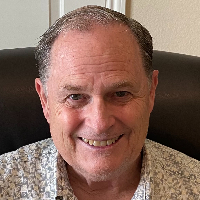
About Donald
Donald Macleod is a licensed marriage and family therapist who helps people working through relationship strain, grief, trauma, anxiety, and parenting stress. He brings decades of experience to conversations about trust, intimacy, communication, and life transitions.
Background and approach
The tone in sessions is direct but respectful, with a focus on practical steps people can try between meetings. Over a 37 year career Donald has worked with many common concerns such as depression, anger, self-esteem, and coping with big changes.
He uses approaches that are goal-oriented and rooted in the client’s experience. He listens first, then suggests tools that fit a person’s needs and daily life.
His work draws on client-centered principles and cognitive behavioral methods, and he also offers hypnotherapy when appropriate. Sessions often include short-term strategies to manage symptoms and clearer ways to communicate with others.
He favors simple, doable techniques rather than long lists of theory. Donald practices in Texas and brings long-term perspective to complex family and relationship patterns like blended family issues, commitment concerns, and family of origin wounds.
He is willing to refer when another professional would better meet a person’s needs. This helps keep the focus on practical progress.
People who choose him can expect steady, experience-based guidance and a collaborative approach to goals. He encourages motivated clients to try small changes and to track what works so sessions stay focused and helpful.
Approaches for online relationship and anxiety work
Client-Centered Therapy focuses on understanding a person’s experience and building trust through empathetic listening; it helps people feel heard and clarifies what matters most to them. Cognitive Behavioral Therapy, or CBT, looks at the links between thoughts, feelings, and behaviors and teaches practical skills to reduce anxiety, manage mood, and change unhelpful patterns.Finding the right mix of approaches is part of the therapy process. The therapist will work together with each person to choose methods that match their goals, needs, and preferences. This collaborative approach means techniques can be adjusted over time based on what is most helpful.
Online sessions are offered as video calls, phone sessions, live chat, or text-based messaging to fit different schedules and needs. Video lets people read body language and have deeper conversations, while phone sessions use less bandwidth and can be easier during busy days. Live chat and text-based messaging are useful for shorter check-ins, quick problem-solving, or when someone prefers typing to speaking. These options make it easier to keep continuity of care during life changes and busy weeks.
Frequently asked questions
What concerns does he address?
How would you describe his therapy style?
What experience does he bring?
What are his credentials and where is he located?
Which languages are sessions offered in?
What session formats are available?
How does cost and billing work?
How do I begin working with him?
Specialties and expertise
Top specialties
- Relationship issues
- Family conflicts
- Trauma and abuse
Also works with
- Abandonment
- Aging and geriatric issues
- Anger management
- Attachment issues
- Blended family issues
- Commitment issues
- Communication problems
- Coping with life changes
- Depression
- Divorce and separation
- Family of origin issues
- Family problems
- Fatherhood issues
- Forgiveness
- Grief
- Guilt and shame
- Infidelity
- Intimacy-related issues
- Jealousy
- Life purpose
- Men's issues
- Midlife crisis
- Money and financial issues
- Mood disorders
- Parenting issues
- Personality disorders
- Process addiction (porn, exercise, gambling)
- Self esteem
- Self-harm
- Sex addiction
- Sexual assault and abuse
- Sexuality
- Stress, Anxiety
Therapeutic approaches
- Experience
- 37 years
- Licensed
- Texas
- Languages
- English