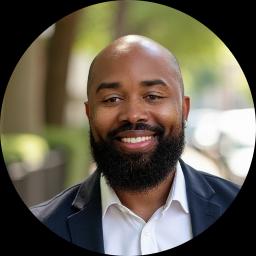
About Frank
Frank Head is a licensed marriage and family therapist practicing in California. He works with people dealing with addictions, trauma and abuse, intimacy-related struggles, anger, and low self-esteem.
Background and approach
He approaches therapy as a collaborative process and believes clients bring important strengths to the work. He draws on evidence-based techniques to help clients manage impulses, rebuild confidence, and cope with painful memories.
Sessions focus on clear goals and practical steps that can be used between meetings. The tone is direct and supportive, aimed at people who want straightforward help and steady progress.
Frank pays attention to patterns that shape relationships and self-view, such as attachment, commitment concerns, or shame. He helps people notice those patterns and try new behaviors that feel more useful.
This often includes setting small experiments to test different ways of relating and responding. When addiction or traumatic brain injury are part of the picture, he prioritizes safety and concrete tools for coping.
For intimacy or infidelity issues, he helps people sort through feelings and decide next steps that match their values. For men navigating midlife or fatherhood worries, sessions focus on practical choices and rebuilding a sense of purpose.
Frank frames therapy as teamwork. He listens for what matters most, suggests strategies that fit each person's life, and adjusts the plan as progress unfolds.
He holds a California LMFT credential and has six years of clinical experience.
Approaches that guide online sessions
Frank uses evidence-based therapeutic techniques focused on practical change. One common approach centers on building coping skills and impulse control to address addictions and anger. This means identifying triggers, practicing specific strategies, and tracking small improvements over time.Another approach emphasizes working through trauma and shame with gradual exposure and grounding skills. Sessions focus on tolerating difficult memories, reducing overwhelm, and finding ways to regain a sense of control and self-compassion. A third strand of work targets relationship and intimacy issues by examining attachment patterns and testing new ways of relating that feel safer and more honest.
Finding the right approach is a shared process. The therapist will talk with each person about their goals and preferences, then try techniques that fit those needs. Plans are adjusted as progress is made, and methods are chosen based on what helps most in real life.
Online formats include video calls, phone sessions, live chat, and text-based messaging to suit different needs. Video is useful when visual cues matter, phone works well when bandwidth is limited or a shorter check-in is needed, and chat or messaging can support ongoing work between sessions. These options offer flexibility for people balancing work, family, or travel, while keeping therapy consistent and focused.
Frequently asked questions
What kinds of concerns does this therapist address?
How would you describe the therapy style and approach?
What is his professional background?
Where is this therapist licensed and based?
Which languages are supported for sessions?
What session formats are available?
How does pricing and payment work?
How do I begin working with him?
Specialties and expertise
Top specialties
Also works with
- Anger management
- Attachment issues
- Commitment issues
- Fatherhood issues
- Guilt and shame
- Impulsivity
- Infidelity
- Life purpose
- Men's issues
- Midlife crisis
- Personality disorders
- Self esteem
- Self-love
- Traumatic brain injury
- Veteran and Armed Forces Issues
- Experience
- 6 years
- Licensed
- California
- Languages
- English