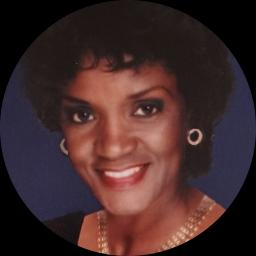
About Glenda
Glenda Bridges is a licensed marriage and family therapist who brings 18 years of clinical experience to her work. She focuses on stress, anxiety, anger, and self-esteem struggles.
Background and approach
Glenda also helps people cope with life changes and supports those managing ADHD-related challenges. She pays attention to each person’s story and looks for practical ways to reduce daily distress.
Sessions often include talking through difficult feelings, building coping skills, and trying small behavior changes that can be used right away. She also addresses issues like social anxiety, isolation, and a search for purpose.
Glenda offers space for people who want a faith-informed perspective in their therapy. That approach is used only when a client wants it, and it is woven into conversations about values, forgiveness, and self-love.
The work is paced according to what feels manageable for the person in front of her. Over her career she has helped people practice new stress-management habits and stronger emotional regulation.
She focuses on concrete steps so progress feels real and trackable. Clients can expect clear goals and check-ins on how the plan is working.
Glenda is based in California and provides care in English. She uses straightforward language and aims to make sessions feel practical and approachable.
Evidence-based approaches for online work
Glenda uses evidence-based therapeutic techniques that focus on practical change and emotional understanding. One approach emphasizes teaching concrete coping skills for stress and anxiety, such as breathing techniques, behavior experiments, and step-by-step exposure for social fears. These methods help reduce day-to-day worry and make social interactions easier over time.Another common focus is skills for managing anger and ADHD-related challenges. This includes routines, organizational strategies, and short-term behavior plans to improve focus and decrease impulsive reactions. These tools are aimed at creating predictable habits that ease daily functioning.
Choosing the right approach is a shared process. The therapist will work with each person to identify goals and preferences, then try techniques that fit those aims. Plans are adjusted over time based on what helps and what doesnt, so care stays responsive and collaborative.
Online formats include video calls, phone sessions, live chat, and text-based messaging. Video sessions are useful for in-depth conversations and skill coaching. Phone sessions can be a good option when bandwidth or camera use is difficult. Live chat and messaging allow brief check-ins, messages between sessions, or shorter coaching-style contacts to support practice and accountability.
Frequently asked questions
What kinds of problems does she help with?
What is her style of therapy like?
How much experience does she have?
What are her credentials and where is she located?
Does she offer sessions in other languages or to international clients?
Which session formats are available?
How does payment and cost work?
How do I begin working with her?
Specialties and expertise
Top specialties
- Stress, Anxiety
- Anger management
- Self esteem
Also works with
- Experience
- 18 years
- Licensed
- California
- Languages
- English