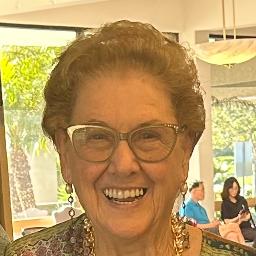
About Gloria
Gloria Cullinane brings a relational, attachment-informed style to therapy and draws on a range of practical approaches. She is Gloria Cullinane, a Licensed Marriage and Family Therapist (LMFT) practicing in California with four decades of experience.
Background and approach
She helps people facing stress, anxiety, depression, grief, trauma, and career transitions. Sessions focus on clear steps people can try between meetings.
Her work leans on attachment-based ideas to look at how early relationships shape current patterns. Gloria also uses client-centered methods to keep conversations grounded in each person's goals and values.
Cognitive Behavioral Therapy (CBT) techniques are used when clients want to change unhelpful thoughts and behaviors. Gloria helps people cope with abandonment wounds, communication problems, and attachment issues.
She also addresses caregiver stress, body image concerns, and feelings of isolation. Practical tools for managing mood, impulsivity, money stress, and life-purpose questions are part of her approach.
Sessions are guided by the client’s pace and priorities. Gloria combines listening with concrete strategies such as behavioral experiments, skills practice, and emotion-focused work.
This mix is aimed at easing symptoms and improving everyday functioning. Her long experience means she has supported people through midlife shifts, divorce and separation, and grief.
People will find a steady, straightforward style that focuses on what can change now and next steps that fit their life.
How attachment work and skills-based therapy translate online
Attachment-Based Therapy looks at how early relationships shape current ways of relating and feeling. Online sessions can use this approach to identify patterns and practice new ways of connecting and responding to strong emotions.Client-Centered Therapy focuses on listening, empathy, and the client’s own goals. In remote sessions this approach means conversations stay focused on what the person wants to change and on building trust at a comfortable pace.
Finding the right approach is part of the process. The therapist will work collaboratively to choose methods that fit the client's goals, needs, and preferences. That can mean trying different techniques over a few sessions and adjusting the plan together.
Online therapy offers flexible, practical benefits. Video calls allow face-to-face interaction for deeper conversation and skill coaching. Phone sessions work well when bandwidth is limited or a shorter check-in is needed. Live chat and text messaging are helpful for quick support, homework check-ins, and when writing feels easier than talking. These options make it easier to fit therapy into a busy life and to keep momentum between sessions.
Frequently asked questions
What kinds of concerns does she help with?
What is her general therapy style?
How much experience does she have?
Where is she licensed and based?
Can sessions be conducted in other languages or for international clients?
What session formats are offered?
How does payment and cost work?
How do I begin working with her?
Specialties and expertise
Top specialties
Also works with
- Abandonment
- Attachment issues
- Body image
- Career difficulties
- Caregiver issues and stress
- Communication problems
- Control issues
- Depression
- Divorce and separation
- Forgiveness
- Guilt and shame
- Impulsivity
- Isolation / loneliness
- Life purpose
- Midlife crisis
- Money and financial issues
- Mood disorders
- Narcissism
- Panic disorder and panic attacks
- Post-traumatic stress
- Pregnancy and childbirth
- Self-love
- Sexuality
- Social anxiety and phobia
- Women's issues
- Workplace issues
Therapeutic approaches
- Experience
- 40 years
- Licensed
- California
- Languages
- English