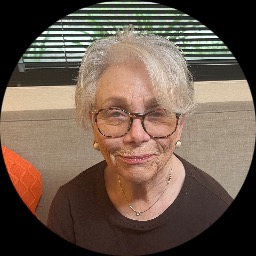
About Karen
Dr. Karen Rabin helps people manage stress, anxiety, relationship strain, grief, depression, and major life changes.
Background and approach
She brings calm, steady support and practical tools to conversations about mood and panic. Her first aim is to make it easier to talk about what feels overwhelming right now.
Dr. Rabin has worked in the field for 40 years and holds a PhD in clinical psychology.
She is licensed in California as a Licensed Marriage and Family Therapist - LMFT. Her long experience means she has seen many common patterns, and she uses that background to keep sessions focused and useful.
Her approach blends evidence-based techniques and deeper exploration. Cognitive Behavioral Therapy helps people spot unhelpful thinking and try new behaviors.
Jungian and psychodynamic ideas look at recurring life patterns and personal meaning that influence feelings and relationships. In a typical session she listens closely, asks clear questions, and suggests small steps to try between visits.
She likes practical homework that fits into daily life so people can test what helps. Dr.
Rabin aims to create an open, nonjudgmental space that supports change. The work is collaborative - goals are set together and adjusted as people learn what helps them feel better.
Therapeutic approaches and online care
Dr. Rabin uses Cognitive Behavioral Therapy and psychodynamic and Jungian ideas to guide online work. Cognitive Behavioral Therapy focuses on identifying unhelpful thoughts and testing new behaviors to reduce anxiety and depression symptoms. Psychodynamic therapy looks at recurring emotional patterns and how past experiences shape current reactions, which can help with relationship issues and longstanding mood problems. Jungian therapy explores personal meaning, dreams, and symbolic patterns to help people understand themselves more deeply.Choosing an approach is a team effort. The therapist will talk with each person about goals, how they respond to different methods, and what feels most useful. That makes it easier to try a focused plan and adjust it over time based on what helps.
Online formats include video calls, phone sessions, live chat, and text-based messaging. Video sessions let people read facial expressions and have a fuller conversation. Phone sessions can be simpler when bandwidth is low or if someone prefers not to be on camera. Live chat and text messaging work well for quick check-ins, brief coaching, or when writing helps someone organize thoughts. These options make scheduling more flexible and help people fit therapy into busy lives.
Frequently asked questions
What concerns does Dr. Rabin focus on?
How would you describe her therapy style?
What is her professional background?
What credentials and location are listed?
Which languages are sessions offered in?
Can international clients work with her?
What session formats are available?
How are fees and starting therapy handled?
Specialties and expertise
Top specialties
- Stress, Anxiety
- Relationship issues
- Grief
Also works with
Therapeutic approaches
- Experience
- 40 years
- Licensed
- California
- Languages
- English