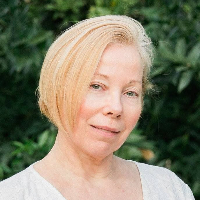
About Kathy
Dr. Kathy Greathouse brings eight years of clinical practice to her work in California.
Background and approach
She is a Licensed Marriage and Family Therapist (LMFT) who focuses on helping people manage stress, anxiety, grief, and major life transitions. Her style blends practical talk with reflective exercises to help people take small steps forward.
She offers straightforward sessions that mix conversation and skills practice. Clients may work on managing emotions, improving sleep and eating patterns, coping with addiction or mood changes, and sorting out relationship or parenting concerns.
The aim is to leave each meeting with a clear next step to try. Her approach is person-centered and attentive to how attachment, life meaning, and personal stories shape day-to-day behavior.
She uses mindfulness and narrative techniques to help people notice habits and try different ways of responding. Sessions also address deeper issues like abandonment, guilt, or feelings of emptiness when those come up.
Dr. Greathouse treats practical problems such as career stress, midlife shifts, and compassion fatigue in care work.
She also works with concerns related to bipolar disorder and depression, helping people build routines and coping strategies. The work is paced to match each person’s needs and goals.
People who prefer calm, reflective sessions that include skill practice often find her approach useful. She speaks English and provides therapy to adults in California.
The process begins with a short intake and follows a collaborative plan set by the client and therapist.
How her approaches guide online sessions
Attachment-Based Therapy helps people understand how early bonds shape current reactions and relationship patterns. Online work can focus on recognizing attachment triggers and practicing new responses in daily life.Client-Centered Therapy centers the person’s experience and priorities. The therapist listens without judgment, reflects what she hears, and supports each person in deciding the next steps to try between sessions.
Existential Therapy invites people to talk about meaning, life choices, loss, and values. In an online format this can help when facing major transitions, midlife questions, or a search for life purpose.
Choosing the right approach is part of the work. The therapist collaborates with each person to match methods to their concerns, goals, and preferences, and adjusts the plan as progress is made.
Online therapy offers practical flexibility. Video calls let participants use visual cues and longer conversation time. Phone sessions work well when bandwidth is limited or when someone prefers not to be on camera. Live chat and text-based messaging are useful for brief check-ins, coaching moments, or when a shorter, written session fits a busy schedule.
Frequently asked questions
What concerns does she help with?
What is her therapeutic style like?
How much clinical experience does she have?
What are her credentials and where is she based?
Can I work with her if I live outside the United States?
Which session formats are available?
How are sessions paid for and what does it cost?
What steps are involved in starting therapy?
Specialties and expertise
Top specialties
Also works with
- Abandonment
- Addictions
- Aging and geriatric issues
- Antisocial personality
- Attachment issues
- Bipolar disorder
- Career difficulties
- Coaching
- Codependency
- Commitment issues
- Compassion fatigue
- Control issues
- Coping with life changes
- Depression
- Eating disorders
- Emptiness
- Family conflicts
- Fatherhood issues
- Fertility issues
- Forgiveness
- Guilt and shame
- Intimacy-related issues
- Isolation / loneliness
- Life purpose
- Midlife crisis
- Panic disorder and panic attacks
- Parenting issues
- Post-traumatic stress
- Postpartum depression
- Pregnancy and childbirth
- Process addiction (porn, exercise, gambling)
- Relationship issues
- Seasonal Affective Disorder (SAD)
- Self-love
- Sleeping disorders
- Smoking / vaping cessation
- Social anxiety and phobia
- Trauma and abuse
- Traumatic brain injury
- Women's issues
- Workplace issues
Therapeutic approaches
- Experience
- 8 years
- Licensed
- California
- Languages
- English