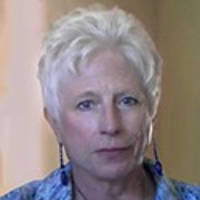
About Kim
Kim Connolly is a licensed marriage and family therapist with 35 years of experience in the mental health field. She has spent much of her career in nonprofit settings, working alongside people through short-term and long-term challenges.
Background and approach
Kim brings a warm, direct, and interactive presence to sessions, meeting each person where they are and moving at their pace. Her work covers a broad range of concerns including stress, anxiety, depression, grief, trauma and abuse, self-esteem, and relationship difficulties.
She also supports people facing parenting strains, eating and food-related issues, anger, and coping with life changes. Kim has a long history of counseling those affected by physical, emotional, or sexual abuse and the ongoing challenges that can follow.
Kim draws from a variety of therapeutic approaches and chooses what fits each person best. She uses practical strategies alongside listening and reflection.
She values honesty, gentle challenge, and a bit of loving humor when appropriate. Her background includes a master’s degree in counseling from Sonoma State University and a California LMFT license.
Much of her early work began in group homes and community agencies, which shaped her focus on real-life problems and practical supports. Outside of work she lives near the ocean in California and enjoys time with her dog.
Her long experience in community settings informs an approachable style that aims to help people find clearer steps forward.
Approaches for online support and coping
Client-Centered Therapy focuses on listening, understanding, and helping people clarify their goals. It puts the person’s experience at the center and supports self-directed change, which can help with grief, self-esteem, and relationship concerns.Cognitive Behavioral Therapy, or CBT, looks at how thoughts, feelings, and actions interact. It uses concrete exercises and practical tools to reduce anxiety, change unhelpful patterns, and manage mood symptoms.
Dialectical Behavior Therapy, DBT, teaches skills for regulating intense emotions, improving distress tolerance, and strengthening relationships. These skills can be useful for anger, overwhelming emotions, and pattern-driven problems.
Choosing a therapeutic approach is a collaborative process. The therapist will talk with the client about goals, try methods that match their needs, and adjust over time. Together they will decide which strategies feel most useful and realistic for daily life.
Online sessions offer flexible ways to connect. Video calls allow face-to-face conversation for deeper work and nonverbal cues. Phone sessions can be easier when bandwidth is limited or a shorter check-in is needed. Live chat and text-based messaging let people check in between sessions or use written reflection when speaking feels hard. These options help fit therapy into busy schedules and different routines.
Frequently asked questions
What kinds of problems does she help with?
How would you describe her therapy style?
How much experience does she have?
What are her credentials and where is she based?
Can sessions be conducted in other languages?
What formats are available for meeting online?
How does pricing work for sessions?
How do I begin working with this therapist?
Specialties and expertise
Top specialties
Also works with
- Abandonment
- Adoption and foster care
- Aging and geriatric issues
- Anger management
- Attachment issues
- Avoidant personality
- Blended family issues
- Chronic pain, illness, and disability
- Codependency
- Commitment issues
- Communication problems
- Compassion fatigue
- Control issues
- Coping with life changes
- Coping with natural or human-caused disaster
- Depression
- Domestic violence
- Eating and food-related issues
- Eating disorders
- Emptiness
- Family conflicts
- Family of origin issues
- Family problems
- Forgiveness
- Guilt and shame
- Impulsivity
- Infidelity
- Jealousy
- Life purpose
- Mood disorders
- Obsessions, compulsions, and OCD
- Panic disorder and panic attacks
- Parenting issues
- Post-traumatic stress
- Relationship issues
- Self esteem
- Self-harm
- Self-love
- Sexual assault and abuse
- Young adult issues
Therapeutic approaches
- Experience
- 35 years
- Licensed
- California
- Languages
- English