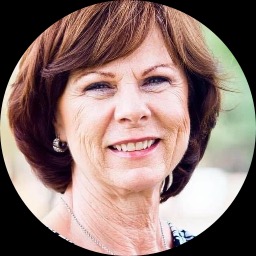
About Laura
Laura Spera is a licensed marriage and family therapist (LMFT) in California with 14 years of experience. She focuses on common struggles such as stress, anxiety, addiction, low self-esteem, depression, and relationship concerns.
Background and approach
Her manner is warm and direct, aimed at helping people take practical steps toward feeling better. Laura uses straightforward conversations to identify what feels most urgent.
She helps people notice patterns that keep them stuck and practices new ways of responding. Sessions emphasize clearer communication, self-compassion, and realistic goals that fit daily life.
Her background includes long clinical experience working with mood disorders, social anxiety, and difficult life transitions like divorce and separation. She also supports people dealing with attachment wounds, guilt and shame, and problems at work.
Her approach blends well-known therapeutic techniques to match each person’s needs. In sessions she focuses on skills people can use between meetings - for example, ways to manage anxiety, set boundaries, or rebuild trust after a breach.
She avoids labels and centers respect and sensitivity in the room. That makes it easier for people to try small changes without feeling judged.
Laura aims to help clients reconnect with their strengths and discover clearer purpose. She partners with people to build resilience and improve everyday relationships and mood.
If someone is ready to take practical steps, she offers steady guidance and realistic tools.
Practical therapeutic approaches for online care
Laura blends evidence-based techniques into clear, usable steps. Cognitive-behavioral strategies help people spot unhelpful thoughts and try different actions; these techniques can ease anxiety, low mood, and social fears. Humanistic methods focus on understanding each person’s values and strengths, which helps with life purpose, self-love, and rebuilding confidence.Finding the right approach is part of the work. Laura talks with clients about their goals and preferences and adjusts methods over time. That means therapy stays collaborative and focused on what actually helps in daily life rather than following a fixed formula.
Online formats make this flexible. Video calls allow face-to-face conversation and visual cues for deeper discussions. Phone sessions are useful when bandwidth is limited or when someone prefers not to be on camera. Live chat and text-based messaging support shorter check-ins, ongoing skill practice, and quicker access between sessions. These options let people fit therapy into busy schedules and continue consistent progress.
Frequently asked questions
What kinds of concerns does Laura help with?
How would you describe her therapy style?
What is her professional background?
What credentials and location are listed?
Which languages are supported and can international clients join?
What formats are available for sessions?
How is cost handled for sessions?
How do I begin working with her?
Specialties and expertise
Top specialties
- Stress, Anxiety
- Addictions
- Relationship issues
Also works with
- Experience
- 14 years
- Licensed
- California
- Languages
- English