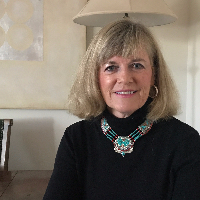
Dr. Maureen Christensen, LMFT
Practical, relationship-focused therapy for real change
About Maureen
Dr. Maureen Christensen uses an approach that centers the client and focuses on clear, practical change.
Background and approach
She is a licensed marriage and family therapist (LMFT) with 34 years of experience and brings a straightforward, compassionate style to sessions. She helps people manage stress and anxiety by teaching ways to change unhelpful thoughts and behaviors.
She also supports people dealing with depression, trauma and grief, and those facing addiction. Relationship and intimacy struggles are addressed with methods that emphasize connection and better communication.
Her work draws on client-centered care and cognitive behavioral methods to identify patterns that keep people stuck. Emotionally focused and Gottman-informed techniques are used for relationship concerns.
Mindfulness practices are added when people want tools to calm their minds and stay present. Dr.
Christensen has a background in nursing, a master’s degree in marriage and family therapy, and a PhD in Health and Human Services. That mix informs a practical, health-minded view of emotional and relational problems.
Sessions are aimed at giving people concrete skills they can use between appointments. She is direct but supportive, helping clients notice old habits, try new actions, and build longer-lasting change.
Her practice in Nevada includes work on family problems, communication issues, codependency, infidelity, hospice and end-of-life concerns, body image, and the emotional impacts of cancer. English is the language used for sessions.
How her approaches translate to online therapy
Client-centered therapy focuses on listening, understanding, and helping the client lead the work. Online sessions let the therapist reflect concerns back and help people set goals and next steps in real time. Cognitive behavioral therapy (CBT) teaches people to notice unhelpful thoughts and try new behaviors; that work often includes written homework and skill practice that transfers easily to video or text formats. Emotionally-Focused Therapy (EFT) helps people identify and shift patterns in close relationships by naming emotions and testing new responses, which can be explored in couples sessions or individual work online.Finding the right approach is a collaborative process. The therapist will discuss needs, goals, and preferences and suggest which methods to try first. Plans can be adjusted over time based on what helps most, with the client guiding the pace and focus.
Online therapy offers several practical advantages. Video calls allow face-to-face interaction and use of visual cues, phone sessions work well when bandwidth is limited or a quieter audio-only check-in is needed, and live chat or text-based messaging can be useful for brief check-ins, notes between appointments, or when writing feels easier than speaking. These options make scheduling more flexible and can help therapy fit into a busy life.
Frequently asked questions
What concerns does she help with?
What is her therapy style like?
How long has she been practicing?
What credentials and where is she licensed?
Which languages are sessions offered in?
What formats are available for sessions?
How are sessions priced?
How do I begin work with her?
Specialties and expertise
Top specialties
- Stress, Anxiety
- Addictions
- Relationship issues
Also works with
- Abandonment
- Anger management
- Avoidant personality
- Blended family issues
- Body image
- Cancer
- Codependency
- Commitment issues
- Communication problems
- Coping with life changes
- Dependent personality
- Depression
- Divorce and separation
- Emptiness
- Family conflicts
- Family problems
- Forgiveness
- Grief
- Hospice and end-of-life counseling
- Infidelity
- Intimacy-related issues
- Isolation / loneliness
- Jealousy
- Midlife crisis
- Mood disorders
- Seasonal Affective Disorder (SAD)
- Self esteem
- Self-love
- Trauma and abuse
- Veteran and Armed Forces Issues
- Women's issues
Therapeutic approaches
- Experience
- 34 years
- Licensed
- Arizona, Nevada
- Languages
- English