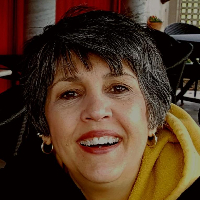
About Melody
Dr. Melody Hubnik uses a client-centered approach to guide people through hard moments.
Background and approach
She focuses on listening closely and helping clients set clear, achievable goals. Melody brings 29 years of experience as a Licensed Marriage and Family Therapist and works from Texas to support people facing relationship and life stressors.
She keeps things practical in sessions. People talk about anxiety, depression, grief, trauma, anger, ADHD concerns, parenting strain, career questions, and self-esteem challenges.
Together they choose a direction and set small steps to move toward it. Her background includes long clinical experience and study of child development.
That training helps her notice how early life shapes current behavior and reactions. She uses that understanding to trace patterns and find places where change is possible.
Sessions are collaborative and direct. Clients are often given simple tasks or reflections between meetings to keep progress steady.
Melody emphasizes earning trust and creating a nonjudgmental space where people can speak frankly about what matters to them. Before the first visit she asks people to name one or two reachable goals.
Those goals become a map for therapy and help measure progress. Melody works within each person’s values and adapts plans so they fit real life.
Client-centered care delivered online
Client-centered Therapy focuses on listening and understanding each person’s experience. The therapist follows your lead, reflects your concerns back, and helps you define what matters most. This approach is often helpful for anxiety, depression, grief, relationship stress, and parenting struggles because it starts with what you notice and want to change.Finding the right approach is part of the work. The therapist will talk with you about your goals and preferences and decide together which methods to try. That collaborative process helps shape a plan that fits your life and the issues you bring to sessions.
Online sessions are offered by video calls, phone sessions, live chat, and text-based messaging to fit different needs. Video is useful for in-depth conversations and visual cues. Phone can work when bandwidth is limited or when you prefer not to be on camera. Live chat and text messaging allow brief check-ins or ongoing support between appointments. These options make therapy easier to fit around work, school, and family life and let people pick the format that works best for them.
Frequently asked questions
What kinds of concerns does she address?
How would you describe the therapy style?
What is her professional background?
What credentials and location are listed?
Which languages are available for sessions?
What formats are used for sessions?
How does cost work for sessions?
How do I begin working with her?
Specialties and expertise
Top specialties
- Family conflicts
- Trauma and abuse
- Grief
Also works with
- ADHD
- Anger management
- Career difficulties
- Coping with life changes
- Depression
- Parenting issues
- Self esteem
- Stress, Anxiety
Therapeutic approaches
- Experience
- 29 years
- Licensed
- Texas
- Languages
- English