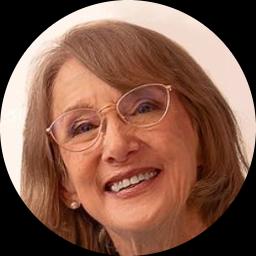
About Sally
Sally Hazard uses a client-centered approach to help people manage stress, anxiety, relationship strain, trauma, and low self-esteem. She is a licensed marriage and family therapist with 21 years of experience and practices by teletherapy from Nevada.
Background and approach
Her style is straightforward and practical, aimed at making therapy feel manageable for busy people and worried parents. She blends client-centered listening with cognitive behavioral techniques to spot unhelpful thoughts and try new behaviors.
Eye Movement Desensitization and Reprocessing, or EMDR, is available as a way to address traumatic memories when that matches a person's needs. Internal Family Systems work is used to understand inner parts and how they affect mood and relationships.
Her career includes work in independent practice, group homes, counseling agencies, and university counseling centers. That variety shaped a flexible approach to different life stages and everyday problems, from workplace stress to social anxiety.
She has practiced in Florida, California, and Nevada. Sally keeps sessions practical and interactive.
Expect clear steps, homework you can try between sessions, and tools to use when anxiety or low mood shows up. She also adapts activities for online work, including EMDR modifications and brief interactive exercises.
Teletherapy options include video calls, phone sessions, live chat, and text-based messaging. Prospective clients use a short matching questionnaire to get started and then schedule sessions according to the therapist's availability.
How therapeutic approaches translate to online care
Client-centered therapy begins with active listening and following the client's lead. In online sessions this means creating space to talk through what matters most and shaping goals together, so work moves at a comfortable pace. Cognitive Behavioral Therapy, or CBT, focuses on identifying unhelpful thoughts and testing new behaviors. Online CBT uses clear exercises and short homework tasks to practice changes between sessions, which can reduce worry and improve mood.Choosing an approach is a collaborative process. The therapist will talk with the client about goals, preferences, and what has worked in the past, then recommend approaches to try. Some people try a mix of methods and adjust over time based on what feels most helpful.
Online formats offer practical benefits. Video calls are good for face-to-face conversation and visual cues. Phone sessions can be easier when low bandwidth or a quieter audio-only check-in is preferable. Live chat and text-based messaging work well for brief check-ins, coach-like reminders, or for people who want written tools they can revisit. These options make it easier to keep therapy consistent around work, school, and family life.
Frequently asked questions
What concerns does this therapist commonly address?
What is the therapist's style in sessions?
How long has she been practicing?
What credentials and location are listed for this therapist?
Which languages are sessions offered in?
What session formats are available online?
How is cost handled for sessions?
How do I begin working with this therapist?
Specialties and expertise
Top specialties
- Stress, Anxiety
- Relationship issues
- Trauma and abuse
Also works with
Therapeutic approaches
- Experience
- 21 years
- Licensed
- Nevada, California
- Languages
- English