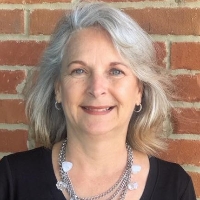
About Sandra
Dr. Sandra Bruno offers calm, practical help for people facing relationship strain, anxiety, grief, addiction, or major life changes.
Background and approach
She presents information plainly and listens first, so people feel heard and understood before steps are suggested. Her style aims to make therapy understandable and useful from the first session.
With 25 years of experience, she uses methods that fit each person rather than a single approach. Sessions focus on what the person wants to change and on building skills to manage stress, mood, and difficult decisions.
She emphasizes a strong working relationship as the foundation for progress. Dr.
Bruno holds a Doctor of Ministry in Pastoral Counseling and practices as an LMFT - Licensed Marriage and Family Therapist in Alabama. That background guides her toward combining practical tools with attention to personal values and meaning.
She can include faith when clients request it. In therapy she offers a mix of strategies, from goal-focused work to deeper exploration of past patterns.
Conversations often cover coping skills, communication techniques, relapse planning for addictions, and ways to handle parenting or career pressures. The focus is on concrete steps clients can try between sessions.
People who come to her for help can expect straightforward language and a collaborative pace. Dr.
Bruno aims to make progress feel achievable, whether someone needs short-term support or longer-term work on recurring issues.
Approaches that guide online sessions
Acceptance and Commitment Therapy (ACT) helps people clarify their values and take actions that match those values, even when difficult thoughts or feelings show up. It is useful for anxiety, stress, and finding meaning during life changes. Cognitive Behavioral Therapy (CBT) focuses on identifying unhelpful thought patterns and testing new behaviors to reduce symptoms like anxiety and depression. It often includes practical homework and skill practice between sessions. Client-Centered Therapy emphasizes listening, empathy, and creating a trusting relationship so clients can explore their concerns at their own pace.Choosing the right approach is a collaborative process. The therapist will talk with each person about goals, preferences, and what has or hasn't helped in the past. Together they decide which methods to try and adjust them as needed based on progress and comfort.
Online work uses video calls, phone sessions, live chat, or text-based messaging to make care flexible. Video lets people use visual cues for deeper conversations. Phone works well when bandwidth is limited or for shorter check-ins. Chat and messaging can fit quick updates, skill coaching, or when written reflection helps. These options make it easier to fit therapy into work and family routines and to keep continuity when schedules change.
Frequently asked questions
What concerns does she help with?
How would you describe her therapy style?
What is her professional background?
What are her credentials and location?
Which languages are supported and can she work internationally?
What session formats are available?
How does cost and billing work?
How do I begin working with her?
Specialties and expertise
Top specialties
- Stress, Anxiety
- Addictions
- Relationship issues
Also works with
- Abandonment
- Aging and geriatric issues
- Anger management
- Career difficulties
- Compassion fatigue
- Coping with life changes
- Depression
- Drug and alcohol addiction
- Emptiness
- Family conflicts
- Family of origin issues
- Family problems
- Fatherhood issues
- Forgiveness
- Grief
- Infidelity
- Intimacy-related issues
- Life purpose
- Midlife crisis
- Parenting issues
- Self esteem
- Trauma and abuse
- Veteran and Armed Forces Issues
Therapeutic approaches
- Experience
- 25 years
- Licensed
- Alabama
- Languages
- English