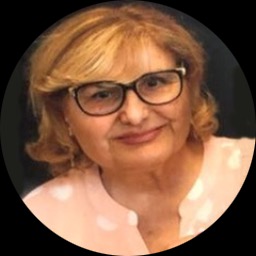
About Shahla
Shahla Raboubi is a licensed Marriage and Family Therapist who draws on nearly three decades of clinical work. She offers steady, practical support for people facing stress, anxiety, depression, grief, trauma, addictions, and relationship concerns.
Background and approach
Sessions are offered in English and Persian and are based in California. She tailors each session to the person in front of her.
That means listening first, then choosing approaches that match a person's needs and preferences. Shahla commonly uses cognitive behavioral techniques, attachment-focused ideas, emotionally-focused work, narrative approaches, and client-centered methods.
Her background includes many years in community mental health as well as independent practice. That variety shaped a straightforward style that focuses on real-life strategies and the steps someone can take between sessions.
She also brings experience with parenting stress, blended family challenges, communication problems, and coping with major life changes. Sessions often include practical exercises, gentle reflection on emotions and patterns, and steps to change unhelpful thinking or behavior.
Shahla also supports people working through intimacy issues, anger, self-esteem concerns, and career stress. She aims to make therapy understandable and useful from the first visit.
This therapist holds a California LMFT credential and many years of clinical experience. If someone is ready to start, the process begins by completing a brief matching questionnaire and choosing a session time that fits their schedule.
Therapeutic approaches and online care
Shahla commonly blends cognitive behavioral therapy and attachment-based work with client-centered listening. Cognitive behavioral therapy focuses on spotting and changing unhelpful thoughts and behaviors, which can help with anxiety, depression, and coping skills. Attachment-based work looks at patterns in close relationships and helps people understand and shift how they connect and respond to others. Client-centered methods prioritize the person’s goals and pace, offering a respectful space to tell a story and decide what matters most.Finding the right approach is part of the work together. The therapist will listen to your concerns, discuss options, and collaboratively choose approaches that match your goals and preferences. That conversation can change over time as needs evolve.
Online sessions are offered by video call, phone, live chat, or text-based messaging to make therapy more flexible. Video calls are useful for face-to-face conversation and visual cues, phone sessions can fit into a busy schedule or use less bandwidth, and chat or messaging can work for short check-ins or ongoing reflection. These options help people meet with a licensed professional in ways that fit their daily life.
Frequently asked questions
What concerns does this therapist address?
What kind of therapy style can I expect?
How much clinical experience does the therapist have?
What credentials and location are listed for this therapist?
Which languages are supported during sessions?
What session formats are available online?
How does payment and cost work?
What are the first steps to begin therapy?
Specialties and expertise
Top specialties
- Stress, Anxiety
- Family conflicts
- Trauma and abuse
Also works with
- Abandonment
- Addictions
- ADHD
- Aging and geriatric issues
- Anger management
- Attachment issues
- Bipolar disorder
- Blended family issues
- Career difficulties
- Coaching
- Communication problems
- Control issues
- Coping with life changes
- Coping with natural or human-caused disaster
- Depression
- Grief
- Intimacy-related issues
- Parenting issues
- Relationship issues
- Self esteem
- Self-love
- Social anxiety and phobia
Therapeutic approaches
- Experience
- 29 years
- Licensed
- California
- Languages
- English, Persian