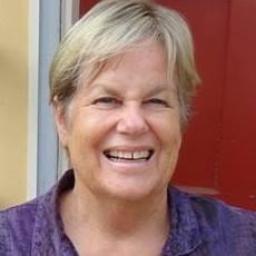
About Sharon
Sharon (Shonnie) Brown helps people facing stress, anxiety, relationship struggles, grief, and career or life transitions. She is a licensed marriage and family therapist who brings 30 years of experience to conversations about self-esteem, parenting strain, anger, and sleep problems.
Background and approach
Sharon speaks plainly and offers practical tools people can use between sessions. She trained at UC Berkeley (B.A.) and earned an M.A. in counseling psychology from JFK University in Orinda, California.
Over three decades she has worked with individuals and couples and led groups on separation, co-parenting, infidelity, and social anxiety. Her long experience informs a steady, direct style that is rooted in real-life concerns.
Sharon blends approaches to fit each person. She draws on attachment ideas to look at patterns from early relationships.
She uses cognitive strategies to shift unhelpful thoughts and dialectical skills for emotion regulation. Writing exercises and mindfulness practices often appear in sessions when they suit a client’s goals.
Her work focuses on helping people build self-compassion and the ability to tolerate difficult feelings. She uses goal-setting and concrete coping skills so clients leave sessions with tools they can try.
Sharon also offers coaching-style support for career decisions and life purpose exploration. Sharon describes her style as honest, direct, and warm.
She encourages small steps toward change and practices optimism and gratitude alongside clients. Writing is one of her therapeutic tools and she sometimes gives short writing exercises to help process emotions.
How these approaches translate to online therapy
Attachment-based work looks at patterns that developed in early relationships and how they show up now. Online sessions can help identify those patterns and practice new ways of relating, especially around trust and closeness. Cognitive behavioral therapy (CBT) focuses on identifying unhelpful thoughts and trying different behaviors to change mood and functioning. In remote sessions CBT often uses concrete homework and short exercises that clients do between meetings.The right approach often emerges through collaboration. The therapist will talk with the client about goals, past experiences, and preferences and then try methods that seem likely to help. That process can include sampling skills from attachment work, CBT, or dialectical strategies to find what feels most useful.
Online formats offer practical flexibility. Video calls let the therapist and client work face to face when discussion and nonverbal cues help. Phone sessions can be a good option when bandwidth is limited or a quieter check-in is needed. Live chat and text-based messaging are useful for short updates, coaching-style support, or when someone prefers writing over talking. Together these options make it easier to fit therapy into a busy life and to keep momentum between sessions.
Frequently asked questions
What concerns does Sharon most often address?
How would you describe her therapeutic style?
What kind of experience does she bring?
Where is Sharon licensed and based?
Which languages are supported in sessions?
What session formats are available?
How is cost handled for sessions?
How do I begin working with Sharon?
Specialties and expertise
Top specialties
- Stress, Anxiety
- Relationship issues
- Self esteem
Also works with
- Abandonment
- ADHD
- Aging and geriatric issues
- Anger management
- Attachment issues
- Career difficulties
- Coaching
- Codependency
- Communication problems
- Control issues
- Coping with life changes
- Depression
- Divorce and separation
- Family conflicts
- Family of origin issues
- Family problems
- Grief
- Guilt and shame
- Infidelity
- Intimacy-related issues
- Isolation / loneliness
- Life purpose
- Money and financial issues
- Parenting issues
- Self-love
- Sleeping disorders
- Social anxiety and phobia
- Somatization
- Trauma and abuse
- Women's issues
- Workplace issues
- Young adult issues
Therapeutic approaches
- Experience
- 30 years
- Licensed
- California
- Languages
- English