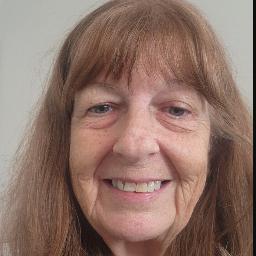
About Susan
Susan Jester is a licensed marriage and family therapist who uses evidence-based techniques to help people through hard times. She brings 31 years of experience to sessions and focuses on common concerns like anxiety, depression, grief, trauma, and relationship stress.
Background and approach
She helps people facing major life transitions, such as midlife changes, chronic illness, or caregiver strain. Susan pays attention to how attachment and communication patterns affect daily life and relationships.
Sessions are practical and aimed at clearer thinking and better coping. Susan also works with issues tied to aging and geriatric concerns, women’s issues, postpartum depression, and sexual assault recovery.
She addresses family of origin problems, infidelity, and ongoing mood disorders with steady, patient guidance. Conversations are paced to each person's needs and tolerance.
Her background in California practice means she is familiar with a range of community and health-related challenges. She emphasizes building trust and helping people identify strengths they can use outside the therapy hour.
The goal is calmer days and more effective ways of handling stress. People who come to her can expect a collaborative process.
Susan listens, asks practical questions, and helps set small goals that add up. She aims to support resilience and clearer decisions as clients move forward.
Evidence-based approaches and online care
Evidence-based therapeutic techniques focus on practical ways to change unhelpful patterns. One common approach involves identifying and changing thoughts and behaviors that keep anxiety or depression active, with small exercises to try between sessions. Another approach centers on attachment and communication work - noticing how past relationships shape current reactions and practicing clearer ways to connect with others.Finding the right approach is part of the work. The therapist will collaborate with each person to choose methods that match their needs, goals, and preferences. That means trying techniques, checking what helps, and adjusting the plan together over time.
Online therapy offers flexibility through video calls, phone sessions, live chat, and text-based messaging. Video lets people use body language and screen sharing for worksheets, phone calls need less bandwidth and can fit a work break, chat can be a quicker check-in, and messaging supports shorter reflections between sessions. These options make it easier to keep therapy consistent and fit it into a busy life.
Frequently asked questions
What concerns does Susan focus on?
What is her therapy style like?
How much experience does she have?
What are her credentials and location?
Are sessions available in other languages?
Which session formats are offered?
How does payment and cost work?
How do I get started?
Specialties and expertise
Top specialties
- Stress, Anxiety
- Relationship issues
- Trauma and abuse
Also works with
- Aging and geriatric issues
- Attachment issues
- Caregiver issues and stress
- Chronic pain, illness, and disability
- Communication problems
- Depression
- Family of origin issues
- Family problems
- Grief
- Infidelity
- Midlife crisis
- Mood disorders
- Post-traumatic stress
- Postpartum depression
- Sexual assault and abuse
- Women's issues
- Experience
- 31 years
- Licensed
- California
- Languages
- English