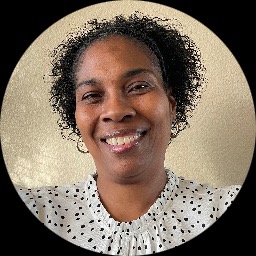
About Tamara
Tamara Taylor is a licensed marriage and family therapist who helps people facing stress, anxiety, trauma, grief, anger, and depression. She writes and talks plainly to make the first steps feel easier.
Background and approach
Tamara aims to create an open space where someone can share thoughts and feelings without judgment. With nine years of clinical experience, Tamara draws on practical methods to address emotional overwhelm and troubling symptoms.
She uses approaches that focus on the person in front of her and on changing unhelpful thought patterns and behaviors. Sessions often include clear goals and short-term strategies to reduce symptoms and build coping skills.
People meet Tamara for help with panic, social anxiety, mood swings, and lingering effects of past trauma or abuse. She also supports work on attachment concerns, communication struggles, guilt, shame, and feelings of isolation.
Conversations often move between understanding where difficulties come from and testing small changes to daily routines. Her style balances listening with concrete tools.
Tamara uses motivational techniques to help people find their own reasons for change. She also draws on solution-focused ideas to produce small, steady wins that feel manageable.
Therapy with Tamara is practical and collaborative. She encourages honest conversation and clear next steps.
For people in California who want steady, goal-oriented work, she offers accessible guidance and experience.
Therapeutic approaches that translate well online
Client-centered therapy focuses on listening and reflecting what someone says so they feel heard and understood. This approach helps people clarify feelings and decide what matters most to them, which can be especially useful when coping with grief, anxiety, or depression.Cognitive Behavioral Therapy, or CBT, looks at how thoughts, feelings, and behaviors connect. It uses straightforward exercises to test unhelpful thoughts and try new behaviors, which can reduce panic, social anxiety, and low mood.
Motivational Interviewing helps people find their own reasons to make a change. It uses a conversational style to build motivation and set small, realistic steps toward goals like improving relationships or managing impulsivity.
Finding the right approach is part of the work. The therapist will collaborate with each person to choose methods that match their needs, goals, and preferences. That plan can shift over time as progress is made and priorities change.
Online therapy offers flexible ways to meet. Video calls let conversations feel similar to an in-person session. Phone sessions can be useful when bandwidth is limited or when a shorter check-in is needed. Live chat and text messaging allow ongoing support between sessions and quick access to tools or reflections. These options make it easier to fit work on stress, trauma, and mood into a busy life.
Frequently asked questions
What concerns does Tamara address in therapy?
What is her therapeutic style like?
How much experience does she have?
What credential does she hold and where is she located?
Are sessions available in other languages or internationally?
What session formats are offered?
How does payment and cost work?
How do I begin therapy with Tamara?
Specialties and expertise
Top specialties
Also works with
Therapeutic approaches
- Experience
- 9 years
- Licensed
- California
- Languages
- English