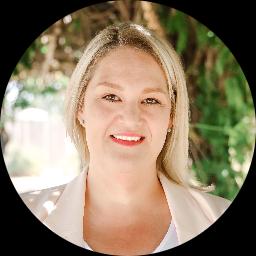
About Tara
Tara Duque is a licensed marriage and family therapist who helps people facing stress, anxiety, trauma, mood changes, and low self-esteem. She writes in a straightforward way and focuses on the next practical step.
Background and approach
Many clients come wanting relief from depression, bipolar symptoms, or the fallout of past abuse, and she aims to meet them where they are. Tara treats each person as the expert on their own life.
She listens first, then works with clients to identify strengths they already have. Sessions typically move toward small, doable changes that add up over time.
The goal is clearer thinking, better emotion management, and more reliable day-to-day coping. With four years of clinical experience and a California LMFT credential, Tara draws on evidence-based therapeutic techniques in sessions.
She adapts those methods to the person in the room instead of following a one-size-fits-all plan. Conversations are practical and focused on what the client wants to change.
People who come to Tara often want help with relationships, self-worth, and patterns that keep recurring. She also supports those dealing with substance concerns, eating and body image challenges, and caregiver stress.
Therapy can include talking through past hurts and building new ways to respond. Tara offers sessions by video call, phone, live chat, or text-based messaging to fit different schedules and comfort levels.
She asks new clients to complete a short matching questionnaire and then schedules a first session based on availability.
Approaches that guide online sessions
Two common evidence-based techniques Tara uses are skills-focused work and trauma-informed approaches. Skills-focused work teaches concrete tools for managing anxiety, regulating mood, and improving daily routines. It helps when someone needs hands-on strategies to get through difficult moments. Trauma-informed approaches center on safety and pacing so past hurt can be addressed without feeling overwhelmed; this helps people who struggle with the aftereffects of abuse or dissociation.Choosing the right approach is collaborative. Tara will talk with the client about goals, current struggles, and what has or hasn't helped before recommending a path. Together they try methods, adjust as needed, and pick what feels most useful for day-to-day life.
Online therapy formats include video calls, phone sessions, live chat, and text-based messaging. Video is good for face-to-face conversation and visual cues. Phone sessions work well when bandwidth is limited or a quieter setting is needed. Live chat and text messaging are helpful for brief check-ins, coaching between sessions, or when someone prefers written reflection. These options make it easier to fit therapy into work, school, or caregiving schedules.
Frequently asked questions
What concerns does Tara focus on?
How would you describe her therapeutic style?
What is Tara's background in therapy?
What credentials and location are listed?
Which languages are supported and can international clients join?
What session formats are available?
How does payment and cost work?
How do I begin working with Tara?
Specialties and expertise
Top specialties
Also works with
- Abandonment
- Aging and geriatric issues
- Attachment issues
- Avoidant personality
- Bipolar disorder
- Body image
- Caregiver issues and stress
- Codependency
- Communication problems
- Control issues
- Depression
- Disruptive Mood Dysregulation Disorder (DMDD)
- Dissociation
- Divorce and separation
- Domestic violence
- Drug and alcohol addiction
- Eating and food-related issues
- Emptiness
- Forgiveness
- Guilt and shame
- Impulsivity
- Isolation / loneliness
- Jealousy
- Life purpose
- Men's issues
- Mood disorders
- Panic disorder and panic attacks
- Paranoia
- Personality disorders
- Post-traumatic stress
- Self-harm
- Self-love
- Sexual assault and abuse
- Sexual dysfunction
- Social anxiety and phobia
- Young adult issues
- Experience
- 4 years
- Licensed
- California
- Languages
- English