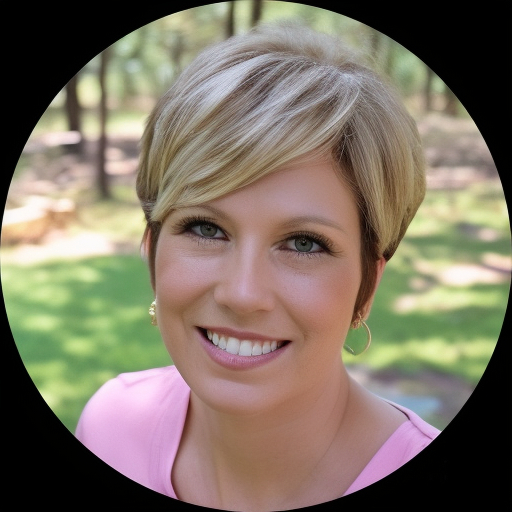
About Terah
Terah Gibson is a Licensed Marriage and Family Therapist and a Licensed Professional Counselor based in Texas. She earned a master’s degree in Marriage and Family Therapy from Tarleton State University and brings 12 years of clinical experience to her practice.
Background and approach
Terah is an active member of the Texas Counseling Association and combines practical methods with a collaborative outlook. She favors straightforward conversations that help people see how thoughts, feelings, and actions connect.
Cognitive Behavioral Therapy (CBT) is a main tool she uses to identify unhelpful thinking and build more useful daily habits. Sessions move at a client’s pace and focus on concrete steps rather than abstract theory.
Terah also uses client-centered principles to keep sessions focused on each person’s priorities. That means listening first, reflecting what matters, and shaping goals together.
Motivational Interviewing and Solution-Focused Therapy are woven in when people need help clarifying goals or finding small changes that make a big difference. Common topics she addresses include stress, anxiety, addictions, relationship tension, parenting strain, intimacy issues, and low self-esteem.
She also supports people facing divorce, family of origin concerns, communication problems, and questions about life purpose and women’s issues. Therapy is offered through video calls, phone sessions, live chat, or text messaging.
Sessions use a subscription that can be canceled at any time, and scheduling follows therapist availability.
How online approaches shape practical change
Client-Centered Therapy focuses on listening, reflecting, and building goals that matter to the individual. It helps people feel heard and guides the plan for change based on their priorities.Cognitive Behavioral Therapy (CBT) looks at how thoughts link to feelings and actions and teaches steps to change unhelpful thinking patterns. CBT is useful for anxiety, depression, stress, and everyday coping skills.
Motivational Interviewing supports people who are uncertain about change by helping them find their own reasons and commitment to move forward. It pairs well with other methods when someone wants to shift habits or address addictions.
Finding the right mix of approaches is part of the work. The therapist will collaborate with each person to choose methods based on goals, preferences, and what’s most useful in early sessions. That process can change as progress is made.
Online therapy offers flexible ways to meet. Video calls are good for face-to-face conversation and nonverbal cues. Phone sessions can work when bandwidth is limited or for quick check-ins. Live chat and text messaging allow short updates or coaching between longer sessions. These options make it easier to fit therapy into a busy life and to keep momentum between appointments.
Frequently asked questions
What concerns does this therapist commonly address?
How would you describe the therapist's style in sessions?
What is her professional background and experience?
Which credentials and region are listed for this therapist?
Are sessions offered in other languages or internationally?
What session formats are available for online work?
How are fees and subscriptions handled?
What are the steps to begin therapy?
Specialties and expertise
Top specialties
- Stress, Anxiety
- Addictions
- Relationship issues
Also works with
- Coaching
- Communication problems
- Coping with life changes
- Depression
- Divorce and separation
- Family conflicts
- Family of origin issues
- Family problems
- Intimacy-related issues
- Life purpose
- Parenting issues
- Self esteem
- Women's issues
Therapeutic approaches
- Experience
- 12 years
- Licensed
- Texas
- Languages
- English