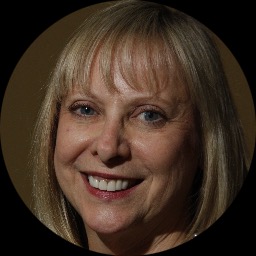
About Theresa
Theresa Heyes is a licensed Marriage and Family Therapist practicing in California. She helps people manage stress and anxiety, work through grief and loss, and address low self-esteem and depression.
Background and approach
She also supports clients facing relationship challenges, divorce and separation concerns, and workplace stress. Heyes brings 16 years of professional experience to sessions.
She focuses on meeting each person where they are and shaping conversations to fit individual needs. She aims to treat people with respect, sensitivity, and compassion.
In sessions she listens closely and helps clients find practical steps to feel better. Conversations often center on improving communication, building self-love, and clarifying life purpose.
She also addresses attachment concerns, caregiving strain, and forgiveness when those issues arise. Theresa adapts the plan as progress unfolds.
She works collaboratively so clients feel involved in the decisions about their care. The approach is straightforward and focused on usable tools rather than jargon.
Theresa wants to support people who are ready to make change. She emphasizes small, achievable goals and offers coaching-style guidance alongside therapeutic reflection.
The aim is to help clients feel more empowered and better able to face everyday challenges.
Evidence-based techniques for online support
Theresa uses evidence-based therapeutic techniques that focus on clear, practical steps. One common approach is problem-focused work that breaks down worries into manageable parts and teaches coping skills for stress and anxiety. Another approach centers on emotion-focused conversations that help people process grief, strengthen self-esteem, and practice self-compassion. Finding the right approach is a collaborative process. Theresa will talk with clients about their goals and preferences, then try methods that fit those needs. She checks in regularly and adjusts the plan so therapy stays useful and relevant. Online sessions offer flexibility and practical benefits. Video calls let therapists and clients read facial cues and do deeper conversations. Phone sessions work well when bandwidth is limited or a quieter audio check-in is preferred. Live chat and text-based messaging make it easier to fit brief check-ins around work or caregiving, and provide ongoing support between longer sessions.Frequently asked questions
What concerns does she address?
How would you describe her therapy style?
How much experience does she have?
What are her credentials and where is she based?
Which languages are available for sessions?
What session formats does she offer?
How does payment and cost work?
How do I begin working with her?
Specialties and expertise
Top specialties
- Stress, Anxiety
- Relationship issues
- Grief
Also works with
- Experience
- 16 years
- Licensed
- California
- Languages
- English