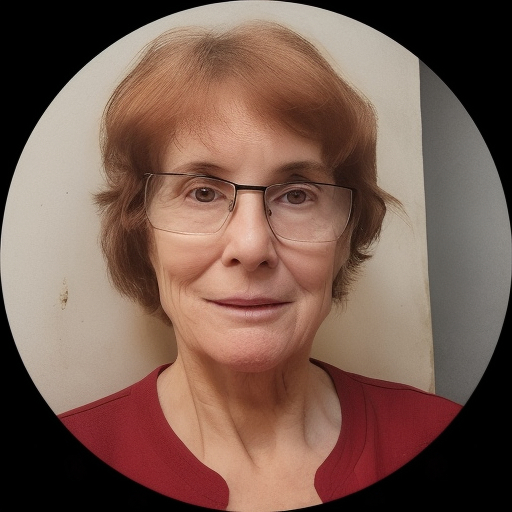
About Thia
Thia Haselton is a California-based licensed marriage and family therapist (LMFT) with a calm, practical style. She listens closely and helps people name what feels most urgent.
Background and approach
Her approach aims to reduce stress and make daily life more manageable. With 25 years of experience in clinical practice, she brings steady support for anxiety and stress.
She also helps people who struggle with eating concerns, body image, and low self-esteem. Many seek help with compassion fatigue and coping through life changes.
Her work often addresses attachment wounds and communication problems. She provides tools for handling guilt, shame, control issues, and workplace stress.
Trauma and post-traumatic stress are also part of her background, and she offers ways to rebuild safety and resilience. Thia uses evidence-based therapeutic techniques tailored to each person.
Sessions focus on clear steps people can try between meetings, not just talk. She aims to make therapy feel useful and doable for everyday life.
Conversations also cover relationships to self, such as self-love, forgiveness, and finding life purpose. Caregiver stress and isolation are common topics she helps people sort through.
Thia writes with warmth and a steady presence to guide practical change. She offers services in English and practices across California.
The tone in sessions is respectful and grounded, focused on small shifts that add up to real relief.
How evidence-based methods translate to online therapy
Thia often draws on evidence-based therapeutic techniques that focus on clear steps and skills. One approach emphasizes working with thoughts and behaviors to reduce anxiety and improve coping; it teaches practical exercises to try between sessions to test new ways of reacting. Another common emphasis is building healthier attachment patterns and communication skills, which helps with relationship stress, feelings of isolation, and difficulties with trust.Choosing the right approach is collaborative. The therapist will discuss options and tailor methods to each person's goals, needs, and preferences. Together they decide which techniques to try first and adjust the plan over time based on what helps most.
Online sessions include video calls, phone sessions, live chat, and text-based messaging to provide flexibility. Video calls let people use visual cues and full conversations, phone sessions work well for shorter check-ins or when bandwidth is limited, and chat or messaging can fit into busy days or provide brief emotional support between longer sessions. These options make it easier to schedule therapy around work, caregiving, or other commitments while keeping focus on useful skills and steady progress.
Frequently asked questions
What kinds of concerns can be addressed?
How would you describe the therapy style?
How much clinical experience does the therapist have?
What are the therapist's credentials and location?
Are sessions offered in other languages or internationally?
What session formats are available?
How is cost handled for sessions?
How do I begin if I want to try therapy?
Specialties and expertise
Top specialties
- Stress, Anxiety
- Eating disorders
- Self esteem
Also works with
- Experience
- 25 years
- Licensed
- California
- Languages
- English