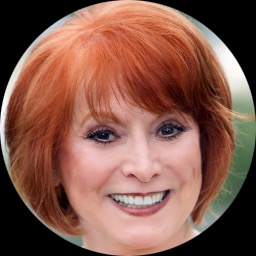
About Arlene
Arlene Drake is a licensed marriage and family therapist in California with 40 years of professional experience. She helps people facing stress, anxiety, relationship strain, and life changes.
Background and approach
Parents reading this can expect clear, straightforward support for concerns tied to family, intimacy, and identity. She works with people around LGBT issues and trauma and abuse.
She also supports those dealing with abandonment, attachment difficulties, and the aftermath of infidelity or divorce. Arlene addresses career concerns, body image, and questions about life purpose in practical conversations.
Sessions focus on the client’s story and strengths. She treats the person as the expert and builds on what already works.
Conversations aim to identify manageable steps and to reduce overwhelm, not to pile on jargon or homework that feels impossible. Her style is supportive and empowering.
She encourages small, doable changes and helps people practice new ways of relating and coping. Over time clients work toward clearer decisions and steadier emotional responses.
Arlene’s long experience gives her a broad view of common patterns that arise in relationships and identity work. She draws on evidence-based therapeutic techniques to guide sessions while staying focused on each person’s needs.
People who want a calm, experienced therapist to help them sort out practical next steps may find her approach useful.
Approaches that guide online work and practical benefits
Arlene uses evidence-based therapeutic techniques that emphasize the client’s strengths and real-life change. One approach focuses on identifying patterns in relationships and behavior, helping people recognize what keeps them stuck and what small steps can break those cycles. This is useful for intimacy issues, codependency, and recurring conflict.Another approach targets trauma-related concerns by helping people process difficult memories and their effects on daily life. The work aims to reduce the emotional charge around those memories and to build coping strategies for triggers and flashbacks.
Choosing the right method is a collaborative process. The therapist will discuss options with each person, consider goals and preferences, and adjust techniques as needed. Clients take an active role in deciding what feels most helpful.
Online sessions are offered by video calls, phone, live chat, and text-based messaging to fit different needs. Video is useful for in-depth conversations and visual connection. Phone sessions can work when bandwidth is limited or a quieter call is preferred. Live chat and messaging let people check in between sessions or use shorter, more frequent touchpoints. These formats add flexibility so therapy can fit around work, family, and daily life.
Frequently asked questions
What kinds of concerns does she address?
How would you describe her therapeutic style?
What is her professional background?
What are her credentials and where is she based?
Which languages are supported for sessions?
What session formats are available?
How is cost handled for sessions?
How do I begin working with her?
Specialties and expertise
Top specialties
- LGBT
- Family conflicts
- Trauma and abuse
Also works with
- Abandonment
- Adoption and foster care
- Aging and geriatric issues
- Attachment issues
- Body image
- Career difficulties
- Codependency
- Commitment issues
- Coping with life changes
- Divorce and separation
- Family problems
- Guilt and shame
- Infidelity
- Intimacy-related issues
- Life purpose
- Post-traumatic stress
- Prejudice and discrimination
- Relationship issues
- Sex addiction
- Sexual assault and abuse
- Sexual dysfunction
- Sexuality
- Stress, Anxiety
- Women's issues
- Experience
- 40 years
- Licensed
- California
- Languages
- English