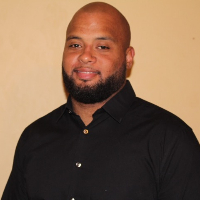
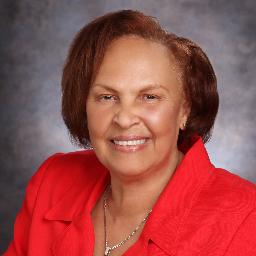
Anne Douglas
LMFTNorth Carolina
- 25 yrs practicing
Stress, Anxiety · Relationship · Family · +16
Read profileTherapist listings on this page link to BetterHelp. We will earn a commission if you sign up through one of those links, at no extra cost to you.
This page lists therapists who identify LGBT as a specialty and describe approaches relevant to LGBT experiences. Browse the profiles below to review focus areas, approaches, languages, and locations.
Use the listings to learn more about practitioners who describe work with LGBT identities and to find counselors whose approach aligns with your goals.
North Carolina
Stress, Anxiety · Relationship · Family · +16
Read profileCalifornia
Stress, Anxiety · Addictions · Relationship · +16
Read profileFlorida
Stress, Anxiety · Relationship · Family · +12
Read profileDelaware
Relationship · Family · Trauma and abuse · +15
Read profileMassachusetts
Addictions · Family · Trauma and abuse · +17
Read profileConnecticut
Stress, Anxiety · LGBT · Relationship · +13
Read profileMichigan
Stress, Anxiety · Family · Trauma and abuse · +10
Read profileFlorida
Family · Intimacy-related issues · Stress, Anxiety · +13
Read profileNew Jersey
Stress, Anxiety · Relationship · Trauma and abuse · +14
Read profileTexas
Stress, Anxiety · Relationship · Trauma and abuse · +14
Read profileNorth Carolina
Relationship · Trauma and abuse · Intimacy-related issues · +6
Read profileNevada
Stress, Anxiety · Addictions · Relationship · +9
Read profileNorth Carolina
Stress, Anxiety · Relationship · Family · +3
Read profileOklahoma
Stress, Anxiety · Trauma and abuse · Parenting · +11
Read profileSouth Carolina
Stress, Anxiety · Relationship · Family · +3
Read profileCalifornia
Stress, Anxiety · Relationship · Family · +11
Read profileNevada
Stress, Anxiety · Addictions · Relationship · +11
Read profilePennsylvania
Relationship · Family · Trauma and abuse · +17
Read profileKentucky
Stress, Anxiety · Trauma and abuse · Grief · +12
Read profileGeorgia
Stress, Anxiety · Relationship · Family · +17
Read profileLGBT refers to a broad range of sexual orientations and gender identities, including people who identify as lesbian, gay, bisexual, transgender, queer, and others under that umbrella. Those identities intersect with culture, religion, race, socioeconomic status, and family background in ways that shape daily life. For many people the experience of being LGBT includes moments of affirmation and connection as well as times of stress related to stigma, discrimination, rejection, or internal conflict about identity. You may also face specific practical issues such as navigating medical systems, legal name and gender marker processes, or relationship and family planning choices. Understanding the term LGBT helps frame conversations about identity, but your lived experience is always personal and unique.
Being LGBT does not by itself indicate a need for therapy, but the social and interpersonal contexts that surround identity often influence emotional well-being. Minority stress - the chronic strain that can come from real or anticipated prejudice - may show up as anxiety, low mood, or hypervigilance in social situations. At the same time, many people experience growth, resilience, and strong community connections. In therapy you can explore how identity shapes your values, relationships, career decisions, and sense of belonging without reducing who you are to any single label.
If you are wondering whether therapy could help, pay attention to patterns that interfere with daily functioning or quality of life. You might be struggling with persistent feelings of sadness, worry, or hopelessness that do not resolve with usual coping. You might be dealing with stress related to coming out, managing an unsupportive family, or facing discrimination at work or school. Relationship conflicts that revolve around identity, intimacy, or partner expectations may prompt you to seek counseling. Some people look for support when considering gender-related medical decisions or when navigating complex systems for name change and gender marker updates. Even if you are not in crisis, therapy can be a space to process identity development, strengthen coping skills, and clarify personal goals.
There are moments when symptoms escalate and you may need more intensive support, such as frequent panic attacks, thoughts of harming yourself, or behaviors that risk your safety. In those cases reach out to local emergency resources or hotlines in addition to seeking a therapist. A counselor can work with you to build a safety plan and connect you with urgent care and other supports that match your needs.
Your initial sessions typically involve intake questions about history, presenting concerns, and what you hope to achieve in therapy. You and the counselor will discuss goals and preferred ways of working, and the clinician will often ask about your identity, relationships, and social supports to understand context. Expect an emphasis on creating a respectful and comfortable environment where you can speak openly. Sessions may include open-ended conversation, focused skills practice, role-play to rehearse difficult conversations, and collaborative problem solving. The pace and focus are guided by your priorities, whether that means exploring identity, easing anxiety related to discrimination, improving communication in relationships, or planning next steps for medical care.
Therapy often involves boundaries around session length and scope, and therapists may suggest resources such as support groups, legal clinics, or medical providers when indicated. If you need a referral for hormone-related care, specialist services, or community organizations, a counselor can help identify options. You can also expect discussion about how therapy fits into your life, including the frequency of sessions and how progress will be measured. Transparency about goals and methods helps you determine whether the counselor is a good match for ongoing work.
Therapists who work with LGBT clients draw on a range of approaches to address emotional, relational, and identity-related concerns. Some counselors describe cognitive behavioral approaches that focus on identifying and changing thought patterns that contribute to distress. Others list narrative or exploratory approaches that emphasize storytelling and identity formation, helping you examine how societal narratives shape your self-view. There are also therapists who list mindfulness-based approaches that support present-moment awareness and stress management, and therapists who list trauma-informed methods to help people process experiences of violence or abuse. When you read profiles, you will often see phrases like therapists who list EMDR among their approaches or therapists who list CBT among their approaches. Those descriptions indicate the methods therapists say they use, not certification or guarantees about outcomes.
The specific method is less important than the therapist's ability to work respectfully and knowledgeably with LGBT experiences. You may prefer a counselor who emphasizes practical skills and symptom management, or someone who focuses on identity exploration and meaning-making. Some people value a therapist whose approach explicitly addresses minority stress and discrimination, while others seek support aimed at relationships or career transitions. Ask about the therapist's experience with issues similar to yours and how they adapt methods to be culturally responsive.
Online therapy offers flexibility in how you connect with a counselor, from video sessions that mirror in-person meetings to text or phone options that suit different schedules. When choosing an online counselor, look for clear information about the therapist's focus areas, approaches, licensure, and languages spoken. Read profiles to see how practitioners describe their work with LGBT identities, including whether they mention areas like coming out support, relationship work, or gender-related care. Keep in mind that state or regional licensure rules can influence the services a counselor provides across state lines, so inquire if geography matters to you.
Start by clarifying your own goals so you can evaluate how a therapist's stated focus aligns with what you want. Consider whether you prefer a counselor who emphasizes practical coping skills, identity exploration, or relational work. Look for language that signals respect for diverse identities and willingness to address discrimination, intersectional issues, and cultural or religious factors. If you require communication in a language other than English, search for therapists who list that language. It can be helpful to check whether a counselor mentions working with age groups similar to yours or specific life stages such as adolescence, midlife transitions, or later adulthood.
Before a first appointment think about what you want to share and what you hope to gain from counseling. If you plan to use online sessions, arrange a private space where you can speak freely and minimize interruptions. Make a note of recent stressors, supportive people in your life, and any practical needs like referrals or documentation assistance so you can discuss them. If you do not feel comfortable with a counselor after a few sessions, it is reasonable to seek another therapist whose approach and interpersonal style feel like a better match.
Finding the right therapist is a personal process and often involves comparing several profiles and initial conversations. Use the listings below to learn more about individual counselors, their described approaches, and the populations they work with. With thoughtful searching you can find a counselor who understands the unique contours of LGBT life and supports you in working toward the goals that matter most to you.
Alabama
13 therapists
Arizona
17 therapists
California
1441 therapists
Colorado
29 therapists
Connecticut
16 therapists
Florida
174 therapists
Georgia
46 therapists
Hawaii
18 therapists
Idaho
10 therapists
Illinois
20 therapists
Indiana
38 therapists
Iowa
7 therapists
Kentucky
14 therapists
Louisiana
24 therapists
Massachusetts
8 therapists
Michigan
13 therapists
Minnesota
45 therapists
Mississippi
7 therapists
Missouri
17 therapists
Nevada
35 therapists
New Jersey
21 therapists
New York
45 therapists
North Carolina
48 therapists
Oklahoma
36 therapists
Oregon
23 therapists
Pennsylvania
18 therapists
South Carolina
16 therapists
Tennessee
37 therapists
Texas
144 therapists
Utah
24 therapists
Virginia
17 therapists
Washington
36 therapists
Wisconsin
17 therapists