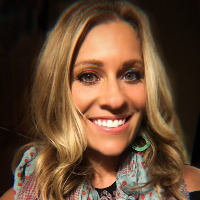
About Cody
Cody Granda is a Licensed Marriage and Family Therapist who helps people who feel stuck in extremes. She works with people facing anxiety, stress, low self-esteem, body image concerns, eating and food-related issues, relationship struggles, and burnout.
Background and approach
Her tone is encouraging and practical, aiming to help people find more balance and trust in their choices. Cody frames work around small, doable changes.
She notices where thinking becomes all-or-nothing and helps people experiment with different responses. Sessions include learning skills to manage strong emotions and building daily habits that support self-love and steadier moods.
She brings eight years of experience in settings that ranged from outpatient care to more intensive programs. That background gave her hands-on time with people navigating eating-related concerns alongside anxiety, trauma, grief, and substance use.
She aims to meet whatever shows up in the room without judgment. Her clinical toolbox includes Cognitive Behavioral Therapy and Dialectical Behavior Therapy to address thinking patterns and emotional regulation.
She also uses life-coaching techniques to set goals and reinforce strengths. Those methods are taught plainly and practiced between sessions so progress feels concrete.
Cody holds LMFT credentials in Colorado and Minnesota and earned a master’s degree in human services with a focus on marriage and family counseling. She favors a collaborative approach that balances problem solving with finding what already works in someone’s life.
Using CBT and DBT online to build steady habits
Cognitive Behavioral Therapy helps people notice and change unhelpful thoughts and behaviors. It focuses on practical exercises and small experiments people can try between sessions to reduce anxiety, improve mood, and interrupt eating-related patterns.Dialectical Behavior Therapy teaches specific skills for tolerating strong emotions, managing mood swings, and improving relationships. DBT offers concrete tools like grounding, distress tolerance, and mindfulness that are practiced in short, repeatable steps.
Finding the best approach is part of the work together. The therapist will help clients choose and adapt strategies based on personal goals, needs, and preferences. Sessions are collaborative and adjust over time as progress is made.
Online sessions are offered via video calls, phone, live chat, or text-based messaging to make therapy fit different schedules. Video sessions allow face-to-face conversation and visual cues, phone sessions can be easier when bandwidth is limited, live chat is useful for quick check-ins, and messaging supports ongoing reflection between meetings. These options aim to make it simpler to practice new skills and keep therapy consistent with daily life.
Frequently asked questions
What kinds of problems does she help with?
What is her therapeutic style like?
What experience does she bring?
Which credentials and state licenses does she hold?
Are sessions offered in other languages or internationally?
What formats are available for sessions?
How does billing and cost work?
How do I begin working with her?
Specialties and expertise
Top specialties
- Stress, Anxiety
- Eating disorders
- Self esteem
Also works with
- Addictions
- Compassion fatigue
- Coping with life changes
- Depression
- Eating and food-related issues
- Family conflicts
- LGBT
- Relationship issues
- Self-love
Therapeutic approaches
- Experience
- 8 years
- Licensed
- Minnesota, Colorado
- Languages
- English