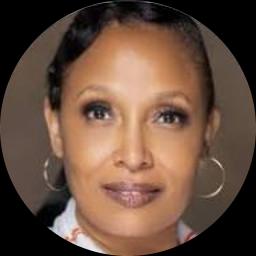
About Cynthia
Cynthia Rolf is a licensed marriage and family therapist with nine years of clinical experience. She practices from Missouri and brings a calm, straightforward manner to sessions.
Background and approach
Cynthia focuses on helping people manage stress, anxiety, depression, and relationship struggles. She uses plain conversation and guided reflection so clients can name what feels hard.
Sessions tend to be warm and interactive rather than strictly formal. Cynthia avoids stigmatizing labels and emphasizes respect and compassion in every meeting.
Her background blends several approaches to fit each person’s needs. She draws on attachment work to look at how early bonds shape current relationships.
Cognitive techniques help people change unhelpful thinking patterns and try different behaviors. Cynthia also adapts elements of client-centered and existential ideas to support people wrestling with life purpose, midlife transitions, or feelings of emptiness.
She brings these threads together when addressing trauma, grief, anger, and family of origin concerns. Practical topics are part of the work as well.
She helps with parenting stress, communication problems, infidelity, and coping with divorce or separation. For people managing bipolar symptoms, ADHD, panic, or post-traumatic stress, her sessions focus on skills, pacing, and realistic next steps.
Her approach is collaborative: clients and Cynthia shape goals together and test what works. Sessions are offered in English and can be scheduled as video calls, phone sessions, live chat, or text-based messaging.
Therapeutic approaches and how they work online
Attachment-Based Therapy focuses on how early relationships shape current bonds and trust. Online sessions use conversation to trace patterns in close relationships and build different ways of connecting that feel safer and more predictable. Client-Centered Therapy centers the person’s experience and priorities. The therapist listens with empathy and helps people find their own conclusions, which is useful for issues like life purpose, emptiness, or major transitions. Finding the right approach is part of the work together. Cynthia will discuss goals, try methods, and adjust based on what helps. That collaborative process lets the therapist and client pick practical steps that match needs and preferences. Online formats make it easier to fit therapy into a busy life. Video calls allow face-to-face interaction and visual cues, phone sessions work when internet quality is limited, live chat is helpful for brief check-ins, and text-based messaging supports ongoing reflection between meetings. These options offer flexibility in pacing, how much time each session takes, and how clients manage their energy while doing therapeutic work.Frequently asked questions
What concerns does she address?
How would you describe her therapy style?
What is her professional background?
What credentials and location are listed?
Which languages and international options are available?
What session formats does she offer?
How is cost handled for sessions?
What are the steps to begin working with her?
Specialties and expertise
Top specialties
- Stress, Anxiety
- Relationship issues
- Self esteem
Also works with
- ADHD
- Anger management
- Attachment issues
- Bipolar disorder
- Career difficulties
- Communication problems
- Control issues
- Coping with life changes
- Depression
- Divorce and separation
- Emptiness
- Family conflicts
- Family of origin issues
- Forgiveness
- Grief
- Guilt and shame
- Infidelity
- Intimacy-related issues
- Isolation / loneliness
- Life purpose
- Midlife crisis
- Multicultural concerns
- Panic disorder and panic attacks
- Parenting issues
- Post-traumatic stress
- Prejudice and discrimination
- Trauma and abuse
- Women's issues
- Workplace issues
Therapeutic approaches
- Experience
- 9 years
- Licensed
- California, Missouri
- Languages
- English