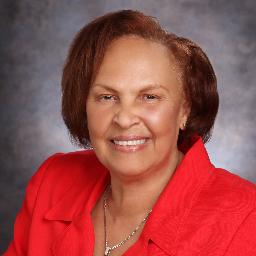
Anne Douglas
LMFTNorth Carolina
- 25 yrs practicing
Stress, Anxiety · Relationship · Family · +16
Read profileTherapist listings on this page link to BetterHelp. We will earn a commission if you sign up through one of those links, at no extra cost to you.
This directory lists therapists who focus on multicultural concerns, including identity, immigration, race, religion, and intergenerational differences.
Browse the listings below to review practitioners' focus areas, preferred approaches, languages, and experience to help guide your search.
North Carolina
Stress, Anxiety · Relationship · Family · +16
Read profileOregon
Stress, Anxiety · Relationship · Trauma and abuse · +10
Read profileHawaii
Stress, Anxiety · Addictions · Relationship · +2
Read profileFlorida
Stress, Anxiety · Relationship · Family · +12
Read profileMassachusetts
Addictions · Family · Trauma and abuse · +17
Read profileTexas
Stress, Anxiety · Addictions · Trauma and abuse · +15
Read profileMichigan
Stress, Anxiety · Family · Trauma and abuse · +10
Read profileNorth Carolina
Stress, Anxiety · Relationship · Trauma and abuse · +12
Read profileFlorida
Family · Intimacy-related issues · Stress, Anxiety · +13
Read profileFlorida
Stress, Anxiety · Relationship · Family · +14
Read profileCalifornia
Stress, Anxiety · Addictions · Relationship · +12
Read profileNorth Carolina
Relationship · Trauma and abuse · Intimacy-related issues · +6
Read profileNevada
Stress, Anxiety · Addictions · Relationship · +9
Read profileCalifornia
Stress, Anxiety · Addictions · Relationship · +15
Read profileCalifornia
Stress, Anxiety · Addictions · Trauma and abuse · +14
Read profileMontana
Stress, Anxiety · Addictions · Relationship · +9
Read profileHawaii
Grief · Career · Coping with life changes · +8
Read profileSouth Carolina
Stress, Anxiety · Relationship · Family · +3
Read profileCalifornia
Stress, Anxiety · Relationship · Family · +11
Read profileOklahoma
Stress, Anxiety · Addictions · Relationship · +16
Read profileCalifornia
Self esteem · Coping with life changes · Relationship · +3
Read profilePennsylvania
Relationship · Family · Trauma and abuse · +17
Read profileMulticultural concerns describe the ways cultural background, identity, heritage, migration history, and social context shape life experience and emotional well-being. When culture influences everyday interactions, family expectations, or legal and economic realities, people often face stressors that are distinct from those rooted solely in individual psychology. You might navigate pressure to balance family traditions with mainstream cultural norms, grapple with layers of identity such as race, ethnicity, religion, sexual orientation, or gender, or encounter experiences tied to immigration, language barriers, or discrimination. These factors often intersect, creating complex emotional patterns that affect relationships, work, education, and a sense of belonging.
Because culture informs how you express distress, ask for help, and interpret symptoms, addressing multicultural concerns in therapy often means looking beyond standard symptom checklists. Therapy that attends to cultural context explores how social position and lived experience contribute to your current difficulties. The aim is to help you build coping strategies that fit your cultural values and life circumstances, whether that looks like navigating bicultural identity, processing experiences of bias, negotiating intergenerational conflict, or making meaning of migration-related loss.
You might seek help when cultural issues affect daily functioning or inner life. If you feel isolated because your values differ from those around you, if family expectations are causing persistent conflict, or if you are struggling with identity questions that make it hard to relate to friends or partners, a therapist focused on multicultural concerns can help. Other signs include ongoing stress related to discrimination or microaggressions, repeated misunderstandings tied to language or cultural norms, difficulty asserting boundaries across cultural roles, and a sense of grief or disconnection linked to migration or loss of cultural community.
Sometimes the signs are less overt. You may notice persistent anxiety or low mood that seems tied to experiences at work or school where cultural assumptions are misunderstood. You may be parenting across cultures and feel uncertain about which traditions to preserve or adapt. You may also be coordinating care for a family member whose mental health needs are influenced by cultural stigma or different expectations about treatment. In each case, therapy that explicitly recognizes cultural dynamics can provide a space to explore context, validate experience, and develop practical strategies that respect your values.
Early sessions typically involve conversations about your background, identity, and what culturally matters to you. A therapist may ask about your family history, migration story, language preferences, spiritual practices, and community ties to understand the context of your concerns. These discussions are meant to center culture as a relevant part of your story rather than an add-on to symptom assessment. You should expect the therapist to inquire about how cultural expectations shape your relationships, decision making, and coping strategies.
As therapy progresses, sessions often combine emotional exploration with practical skills. You might practice communication tools for cross-cultural family conversations, develop strategies for responding to workplace bias, or work on identity integration across different cultural worlds. Goal-setting may include improving relationships, managing stress related to cultural conflicts, processing loss associated with migration, or enhancing resilience in the face of systemic challenges. The pace and focus are shaped by your priorities and the realities of your life.
Therapists who list multicultural concerns among their specialties draw from a range of therapeutic approaches to meet the needs of diverse clients. Many integrate culturally adapted cognitive-behavioral techniques to address unhelpful thinking patterns while honoring cultural values. Others incorporate narrative-based work to help you reconstruct identity stories in ways that acknowledge cultural heritage and migration history. Family systems perspectives can be useful when conflicts involve multigenerational differences or differing acculturation levels within a household. Trauma-informed frameworks are often applied when experiences of discrimination, violence, or forced migration are part of the history.
Some therapists emphasize community and relational strengths, helping you tap cultural resources such as extended family networks, spiritual practices, or community rituals. Language-congruent care and attention to interpreter use may also be part of the approach. Because no single method fits every person, many practitioners combine techniques and tailor them to your cultural preferences, life stage, and immediate needs. When reviewing profiles, look for descriptions of approach and focus, noting whether a therapist mentions work with issues like immigration, bicultural identity, or race-related stress.
Online therapy expands access to therapists who list multicultural concerns by allowing you to connect across geographic distance. If you live in an area with limited culturally informed providers, online sessions can let you search for clinicians who speak your language or who indicate experience with specific cultural communities and identity issues. Sessions typically take place through video, phone, or messaging formats depending on the practitioner. You can talk about cultural matters in real time or use written exchanges to reflect on identity questions between sessions.
When engaging online, consider practical factors that affect comfort and communication. Reliable internet or phone access, a quiet area for conversation, and clear expectations about session structure can help the process feel more productive. Ask in your initial messages about language options and whether the therapist has experience addressing the specific cultural, immigration, or identity-related themes you want to explore. Many people find that online work reduces geographical barriers to culturally aligned care and allows for a broader range of therapist matches than local options alone.
Begin by clarifying what matters most to you in culturally informed care. You may prioritize language concordance, experience with a particular cultural group, familiarity with immigration or refugee issues, or approaches that honor spiritual or familial practices. Read profiles for focus areas and approach descriptions to identify therapists who explicitly mention work with multicultural identity, race-related stress, or intergenerational conflict. Pay attention to whether a therapist lists languages spoken and any population emphases that align with your situation.
Consider practical match points beyond identity labels. Think about whether you want sessions that are more skills-oriented, reflective, family-focused, or trauma-informed. When contacting a therapist, you can request an initial conversation to get a sense of their style and how they talk about culture. Ask about their experience with issues similar to yours and how they incorporate cultural context into treatment. Trust your sense of rapport and whether the therapist seems to understand the cultural nuances that shape your life. Choosing a therapist who respects your background and works with you to integrate cultural strengths into care can help you make meaningful progress in areas that matter most.
Alabama
13 therapists
Arizona
17 therapists
California
1441 therapists
Colorado
29 therapists
Connecticut
16 therapists
Florida
174 therapists
Georgia
46 therapists
Hawaii
18 therapists
Idaho
10 therapists
Illinois
20 therapists
Indiana
38 therapists
Iowa
7 therapists
Kentucky
14 therapists
Louisiana
24 therapists
Massachusetts
8 therapists
Michigan
13 therapists
Minnesota
45 therapists
Mississippi
7 therapists
Missouri
17 therapists
Nevada
35 therapists
New Jersey
21 therapists
New York
45 therapists
North Carolina
48 therapists
Oklahoma
36 therapists
Oregon
23 therapists
Pennsylvania
18 therapists
South Carolina
16 therapists
Tennessee
37 therapists
Texas
144 therapists
Utah
24 therapists
Virginia
17 therapists
Washington
36 therapists
Wisconsin
17 therapists