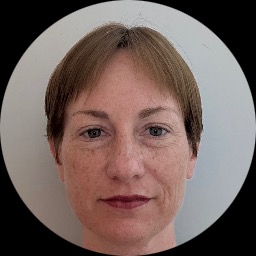
About Dana
Dana Scott is a licensed marriage and family therapist practicing in Georgia. She brings a calm, steady approach to sessions and focuses on practical steps people can try between meetings.
Background and approach
Dana speaks English and aims to make the first steps toward help feel manageable and clear. Dana has three years of formal practice as an LMFT and many additional years working with people who have mental health and developmental disabilities.
She has experience helping people facing grief, loss, depression, and bipolar challenges. She also supports people navigating LGBT concerns, women's issues, and caregiver stress.
In sessions Dana uses straightforward methods from Cognitive Behavioral Therapy, helping clients notice unhelpful thought patterns and test small behavior changes. She keeps conversations direct and uses exercises that can be practiced during the week.
This hands-on style helps clients track small improvements over time. People who choose Dana often want clear tools and a plan they can follow between sessions.
She offers flexible online formats and adapts the pace to each person’s needs. The work is collaborative and focused on what matters most to each client.
Dana emphasizes gradual progress rather than quick fixes. She helps people set realistic goals and work through setbacks.
Her aim is to make therapy feel like a practical step toward feeling better day to day.
How CBT and Online Sessions Work Together
Dana uses Cognitive Behavioral Therapy, a practical approach that helps people spot unhelpful thoughts and test small behavior changes. CBT often includes homework tasks like tracking thoughts, trying new routines, and practicing coping skills to reduce depressive or anxious patterns.The therapist-and-client relationship is collaborative. Dana will discuss goals, try methods, and adjust the approach based on what works best. Together they decide whether CBT techniques or other ways of working suit the client's needs and preferences.
Online therapy offers several practical benefits. Video calls let people talk face to face when meeting in person is difficult. Phone sessions can be easier when bandwidth is limited or when someone prefers not to be on camera. Live chat and text-based messaging support brief check-ins, quick coaching, or ongoing reflection between longer sessions. These options make it simpler to fit therapy into a busy life and to maintain continuity of care when schedules change.
Frequently asked questions
What concerns does Dana commonly help with?
What is her therapeutic style like?
How much clinical experience does she have?
What credentials and where is she licensed?
Which languages are supported for sessions?
What session formats does she provide online?
How are costs and billing handled?
How do I begin a therapy match with her?
Specialties and expertise
Top specialties
Also works with
- Autism and Asperger Syndrome
- Bipolar disorder
- Caregiver issues and stress
- Depression
- Intellectual disability
- Women's issues
Therapeutic approaches
- Experience
- 3 years
- Licensed
- Georgia
- Languages
- English