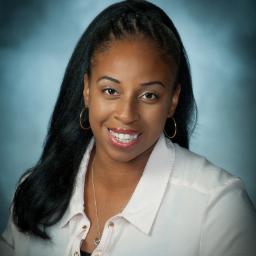
DeAnna Smith, LMFT
Therapist who blends listening with practical tools
About DeAnna
DeAnna Smith offers a warm, person-focused approach to therapy. She centers the conversation on what matters to each person and helps them find practical ways to move forward.
Background and approach
With 20 years in mental health work, she aims to make difficult moments easier to face and manage. She helps people sort through relationship strain, self-esteem concerns, and stress and anxiety.
Parenting worries and life changes are also common topics she addresses. Additional focus areas include infidelity, multicultural concerns, HIV/AIDS related issues, and building self-love.
Her style blends listening with clear tools. She uses client-centered techniques to follow a person's priorities and Cognitive Behavioral Therapy to notice and shift unhelpful thinking.
Emotionally-Focused Therapy and elements of the Gottman Method guide conversations about connection and communication. Mindfulness strategies are introduced to help people manage tension and stay present during hard moments.
Sessions aim to teach skills that can be used outside of therapy in daily life. The work is collaborative and paced to what each person can take on.
DeAnna holds a Licensed Marriage and Family Therapist credential, and she practices in Pennsylvania. She speaks English and brings two decades of experience to conversations about coping, relationships, and personal growth.
To begin, she asks people to share what matters most so they can set realistic goals together.
How therapeutic approaches work online
Client-Centered Therapy focuses on listening and following each person's priorities. It helps people feel heard while they decide what changes matter most and build confidence to act on those choices.Cognitive Behavioral Therapy, or CBT, looks at thoughts and behaviors that keep problems going. It offers simple exercises and homework to practice new ways of thinking and coping, which can reduce anxiety and improve daily functioning.
Finding the right approach is part of the therapy process. The therapist works together with each person to decide which methods fit their needs, goals, and preferences. Adjustments are made over time so the work stays relevant and doable.
Online formats include video calls, phone sessions, live chat, and text-based messaging. Video works well for in-depth conversations and teaching skills with visual cues. Phone sessions can be a good option when bandwidth is limited or for a shorter check-in. Live chat and text messaging let people share updates or get support between meetings. These options make it easier to fit therapy into a busy life and keep progress moving forward.
Frequently asked questions
What issues does this therapist address?
What is the therapy style like?
How much experience does the therapist have?
Where is the therapist based and what are her credentials?
Are sessions offered in other languages or to international clients?
Which session formats are available?
How much do sessions cost?
What are the steps to begin therapy?
Specialties and expertise
Top specialties
- Relationship issues
- Family conflicts
- Self esteem
Also works with
- Coping with life changes
- HIV / AIDS
- Infidelity
- Multicultural concerns
- Parenting issues
- Self-love
- Stress, Anxiety
Therapeutic approaches
- Experience
- 20 years
- Licensed
- Pennsylvania
- Languages
- English