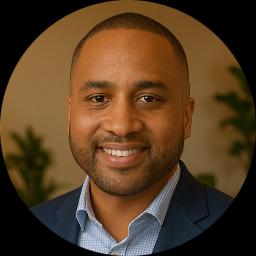
About Donny
Donny Simpson is a licensed marriage and family therapist who helps people facing hard life moments. He focuses on issues like addiction, anxiety, grief, relationship struggles, and major life changes.
Background and approach
He writes straightforward plans and talks plainly so parents and adults can make sense of next steps. In sessions he uses clear, goal-focused conversations to tackle problems such as substance use, depression, anger, and intimacy concerns.
He addresses relationship patterns and communication problems alongside issues like body image, codependency, and parenting stress. Donny also supports people dealing with adoption and foster care histories, gender dysphoria, HIV/AIDS related concerns, and the fallout of domestic violence.
His approach mixes attachment-based ideas with client-centered listening and practical cognitive-behavioral tools. That means he pays attention to how early relationships shape reactions now, listens without judgment, and introduces doable skills to change unhelpful thoughts and behaviors.
Mindfulness techniques are woven in to help with stress and anxiety. Donny brings six years of clinical experience in California to his practice.
He aims to create a clear path forward by helping people identify patterns, try small changes, and notice what helps. Sessions are delivered in plain language so clients can use what they learn between meetings.
People meet him for support with career strain, forgiveness work, fatherhood issues, and recovery from trauma and abuse. He frames therapy as a step-by-step process where small gains build into lasting change.
Therapeutic approaches that work well online
Donny often blends attachment-based ideas with cognitive-behavioral techniques. Attachment-based work looks at relationship patterns and how early bonds shape reactions today, which can help with trust, intimacy, and healing from trauma. Cognitive behavioral therapy focuses on noticing and changing unhelpful thoughts and behaviors, useful for anxiety, depression, and addiction-related behaviors.Finding the right approach is part of the work. The therapist collaborates with each person to choose methods that match their goals, needs, and what they prefer to try. That means trying practical skills, checking how they land, and adjusting if something isn’t helpful.
Online formats include video calls, phone sessions, live chat, and text-based messaging, offering flexibility for different days and schedules. Video is good for face-to-face conversation and practicing communication skills. Phone sessions can fit a work break or when lower bandwidth is needed. Live chat and messaging work for shorter check-ins, written reflections, or when a faster touchpoint helps keep progress moving. These options make it easier to keep therapy consistent around life commitments.
Frequently asked questions
What kinds of concerns does this therapist address?
How would you describe his therapeutic style?
What is his clinical experience?
What are his credentials and where is he located?
Which languages are supported in sessions?
What session formats are available?
How does payment or cost work?
How do I begin working with this therapist?
Specialties and expertise
Top specialties
- Addictions
- LGBT
- Relationship issues
Also works with
- Adoption and foster care
- Anger management
- Body image
- Career difficulties
- Codependency
- Communication problems
- Coping with life changes
- Dependent personality
- Depression
- Divorce and separation
- Domestic violence
- Drug and alcohol addiction
- Eating and food-related issues
- Family conflicts
- Family problems
- Fatherhood issues
- Forgiveness
- Gender dysphoria
- Grief
- Guilt and shame
- HIV / AIDS
- Intimacy-related issues
- Isolation / loneliness
- Jealousy
- Men's issues
- Money and financial issues
- Narcissism
- Obsessions, compulsions, and OCD
- Panic disorder and panic attacks
- Pregnancy and childbirth
- Self-love
- Sex addiction
- Sexual dysfunction
- Sexuality
- Social anxiety and phobia
- Stress, Anxiety
- Trauma and abuse
- Workplace issues
- Young adult issues
Therapeutic approaches
- Experience
- 6 years
- Licensed
- California
- Languages
- English