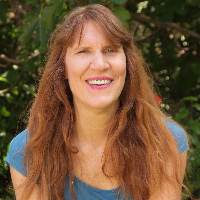
About Elizabeth
Elizabeth Lee is a licensed Marriage and Family Therapist who helps people facing anxiety, depression, addiction, trauma, and relationship strain. She writes in a straightforward way and focuses on practical steps people can use now to feel steadier and more capable.
Background and approach
She listens without judgment and offers encouragement and validation. She points out patterns in how people think and behave so those patterns can be changed or put to better use.
She often helps clients turn painful experiences into sources of strength using paradoxical techniques when appropriate. Communication skills are a common focus in her work.
She teaches concrete ways to speak and listen that reduce conflict and improve closeness. Sessions combine attention to past relationships with clear plans for change in the present.
Elizabeth received a Master of Arts in Clinical Psychology from Antioch University in 1988 and earned her California LMFT license in 1998. She brings 22 years of clinical experience to her work and has supported people impacted by rape, incest, domestic abuse, grief, addiction, and a wide range of mood and stress concerns.
Her approach is flexible and tailored to each person. She draws from a range of evidence-based methods and a whole-person perspective that considers mind, body, and spirit.
She invites clients to explore what matters most and to practice new skills between sessions.
Evidence-based techniques for online care
Elizabeth often uses straightforward, evidence-based techniques that focus on change and skill building. One common approach is teaching communication skills - practical exercises and role-play to help people speak and listen more clearly, which can reduce conflict and improve relationships. Another frequently used method is trauma-informed work that helps people understand how past hurts shape current reactions and learn coping strategies to manage strong emotions.Finding the right approach is a collaborative process. The therapist will work with each person to choose techniques that match their needs, goals, and preferences. Together they review what helps, try different tools, and adjust the plan as progress is made.
Online sessions are offered by video calls, phone sessions, live chat, or text-based messaging to increase flexibility. Video lets people read facial cues and practice communication skills in real time, while phone sessions can be easier when bandwidth is limited. Live chat or text messaging can fit brief check-ins, shorter check-ins during a busy day, or ongoing written reflection between appointments. These options make it easier to fit therapy into work, family, and daily routines.
Frequently asked questions
What issues does this therapist address?
How would you describe the therapy style here?
What is the therapist's background and experience?
What credentials and location are listed?
Are sessions offered in other languages or internationally?
Which session formats are available?
How is cost handled for sessions?
What are the first steps to begin therapy?
Specialties and expertise
Top specialties
- Addictions
- Relationship issues
- Family conflicts
Also works with
- ADHD
- Anger management
- Bipolar disorder
- Career difficulties
- Coping with life changes
- Depression
- Grief
- Intimacy-related issues
- LGBT
- Parenting issues
- Self esteem
- Stress, Anxiety
- Trauma and abuse
- Experience
- 22 years
- Licensed
- California
- Languages
- English