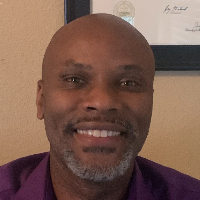
About Lance
Dr. Lance Smith helps people facing stress, anxiety, relationship strains, depression, addiction, trauma, grief, parenting challenges, anger, low self-esteem, and coping with big life changes.
Background and approach
He also supports concerns like intimacy, ADHD, attachment and abandonment issues, multicultural stress, and end-of-life caregiving strain. Dr.
Smith is a licensed marital and family therapist (LMFT) practicing in California with 25 years of experience. He keeps sessions straightforward and practical.
Conversations focus on what matters now and on small, doable steps forward. Expect direct listening, gentle questioning, and a steady focus on your goals.
The style is calm and respectful, aimed at creating a space where people feel heard and understood. Therapy draws from several approaches to fit each person’s needs.
He uses attachment-based ideas to look at relationship patterns, client-centered methods to follow a person’s priorities, and cognitive behavioral techniques to spot unhelpful thoughts and change them. Solution-focused strategies help build short-term plans when immediate changes are needed.
Over the years he has worked with a wide range of concerns related to family roles, blended households, communication breakdowns, and trauma responses. That variety informs practical skills for managing panic, grief, compassion fatigue, and caregiving stress.
Sessions aim to improve daily functioning and relationships rather than focus only on diagnosis. Appointments can include conversations about forgiveness, shame, self-love, and building healthier bonds.
He favors clear goals, steady pacing, and collaboration to help people make lasting changes.
How his approaches translate to online work
Attachment-based work looks at how early bonds shape current relationships and brings that focus into conversations to improve trust and connection. Client-centered therapy centers the person’s priorities and feelings, letting the therapist follow what matters most and support personal insight and self-compassion. Cognitive behavioral therapy (CBT) identifies unhelpful thoughts and tests new ways of thinking and acting to reduce anxiety and mood problems.Finding the right approach is collaborative. He will talk with each person about goals, what has helped before, and which methods feel best. Together they shape a plan that may blend approaches as needs and goals evolve.r>
Online formats offer practical flexibility. Video calls let people use visual cues and longer sessions when needed. Phone sessions can be easier when less bandwidth is available or a quieter voice-only check-in is preferred. Live chat and text-based messaging work well for brief check-ins, tracking progress, or when writing out thoughts feels clearer. These options make it easier to fit therapy into work breaks, caregiving schedules, or when travel is difficult, while keeping the focus on steady progress and real-world changes.
Frequently asked questions
What kinds of problems does he help with?
What is his therapeutic style like?
How much clinical experience does he have?
What are his credentials and where is he based?
Which languages are sessions offered in?
In what formats can sessions be held?
How does payment and cost work?
What do I need to do to begin?
Specialties and expertise
Top specialties
- Stress, Anxiety
- Relationship issues
- Family conflicts
Also works with
- Abandonment
- Addictions
- ADHD
- Anger management
- Attachment issues
- Autism and Asperger Syndrome
- Bipolar disorder
- Blended family issues
- Caregiver issues and stress
- Communication problems
- Compassion fatigue
- Coping with life changes
- Depression
- Family of origin issues
- Family problems
- Forgiveness
- Grief
- Guilt and shame
- Hospice and end-of-life counseling
- Intimacy-related issues
- Multicultural concerns
- Panic disorder and panic attacks
- Parenting issues
- Post-traumatic stress
- Self esteem
- Self-love
- Social anxiety and phobia
- Trauma and abuse
- Young adult issues
Therapeutic approaches
- Experience
- 25 years
- Licensed
- Oklahoma, Utah, California
- Languages
- English