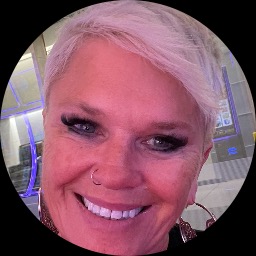
About Laurie
Laurie Jones is a licensed marriage and family therapist practicing in Nevada with 25 years of clinical experience. She focuses on helping people navigate stress, anxiety, addiction, depression, and relationship concerns.
Background and approach
Laurie creates a calm space where people can talk about identity, grief, intimacy, and changes in life. She takes a straightforward, person-focused approach.
Sessions center on clear goals and practical steps that fit everyday life. Laurie blends methods like cognitive behavioral work, mindfulness, and attachment-focused ideas to match what each person needs.
Many clients come with overlapping problems such as substance use alongside mood struggles, codependency, or body image and eating concerns. Laurie helps people untangle those layers and prioritize what matters most in recovery and growth.
She also supports those exploring kink and alternative sexual cultures without judgment. Her work often looks at how past relationships shape present patterns.
Attachment-informed tools and skills from dialectical behavior therapy can help people regulate emotion, set boundaries, and improve communication. Laurie uses acceptance and commitment strategies to help people choose meaningful actions even when feelings are painful.
Sessions are offered in English and Laurie sees both local and international clients through online formats. She aims to make therapy practical, accessible, and respectful of diverse backgrounds and identities.
Approach-focused care through online therapy
Laurie often uses cognitive behavioral therapy to help people spot unhelpful thinking and practice different behaviors. CBT is useful for anxiety, depression, and many everyday stressors because it focuses on clear steps and measurable changes.She also draws on attachment-based therapy to look at how early relationship patterns affect current connections. That work helps people understand closeness, set boundaries, and improve communication in relationships. In addition, acceptance and commitment therapy is used to help people make values-based choices even when strong emotions are present, which can be helpful for grief, addiction recovery, and identity concerns.
Finding the right approach is part of therapy. Laurie works collaboratively to choose methods that match a person's goals, needs, and comfort level. She will discuss options and adjust techniques as the work unfolds so therapy stays practical and relevant.
Online formats include video calls, phone sessions, live chat, and text-based messaging. Video is good for in-depth conversation and visual cues, phone works when bandwidth is limited or a shorter check-in is needed, and messaging or live chat can suit ongoing coaching, quick progress checks, or people who prefer writing. These options make it easier to fit therapy into busy schedules and different time zones.
Frequently asked questions
What concerns does Laurie commonly address?
How would you describe her therapy style?
How much experience does she bring to sessions?
What are her credentials and where is she located?
Can people who live outside the U.S. work with her?
What session formats are available?
How does payment and cost work?
What do I need to do to begin therapy?
Specialties and expertise
Top specialties
- Stress, Anxiety
- Addictions
- Relationship issues
Also works with
- Abandonment
- Attachment issues
- Avoidant personality
- BDSM, kink, and alternative sex culture
- Bipolar disorder
- Blended family issues
- Body image
- Co-morbidity
- Coaching
- Codependency
- Commitment issues
- Communication problems
- Control issues
- Coping with life changes
- Depression
- Divorce and separation
- Domestic violence
- Drug and alcohol addiction
- Eating disorders
- Emptiness
- Family conflicts
- Family of origin issues
- Family problems
- Forgiveness
- Gender dysphoria
- Grief
- Guilt and shame
- HIV / AIDS
- Infidelity
- Intimacy-related issues
- Isolation / loneliness
- Jealousy
- LGBT
- Life purpose
- Midlife crisis
- Money and financial issues
- Narcissism
- Obsessions, compulsions, and OCD
- Panic disorder and panic attacks
- Parenting issues
- Polyamory / non-monogamous relationships
- Post-traumatic stress
- Postpartum depression
- Pregnancy and childbirth
- Process addiction (porn, exercise, gambling)
- Seasonal Affective Disorder (SAD)
- Self-harm
- Self-love
- Sex addiction
- Sexual assault and abuse
- Sexual dysfunction
- Sexuality
- Social anxiety and phobia
- Trauma and abuse
- Women's issues
- Workplace issues
- Young adult issues
Therapeutic approaches
- Experience
- 25 years
- Licensed
- Nevada
- Languages
- English