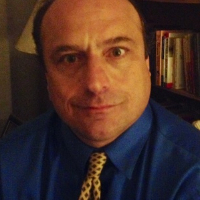
About Mark
Mark Haase is a Louisiana-based clinician with two licenses: Licensed Marriage and Family Therapist (LMFT) and Licensed Professional Counselor (LPC). He brings two decades of experience in social services and counseling to his work.
Background and approach
He speaks English and Spanish and meets people from different backgrounds. He started his career doing hands-on work in group homes and shelters.
He has supported people after crises, including work in New Orleans following Hurricane Katrina. His background includes roles with developmentally disabled adults, homeless teens, and Medicaid mental health programs.
In sessions he aims to provide a calm place to talk through feelings and thoughts. He uses a mix of client-centered listening, cognitive-behavioral techniques, and motivational approaches.
That combination is meant to help someone put worries into words and try different ways of coping. Mark has worked with a wide range of concerns, including anxiety, depression, ADHD, bipolar disorder, OCD, panic, addictions, grief, trauma, and relationship and parenting stresses.
He also focuses on issues like eating and food-related problems, personality patterns such as avoidant or dependent traits, and struggles with isolation or life purpose. People who stick with counseling, he says, often come out more grounded and able to handle life changes.
He treats therapy as a practical process - talking, trying new skills, and checking what helps. Sessions are offered in English and Spanish and can be adapted to different formats.
Approach-focused care for remote therapy
Mark blends client-centered therapy, cognitive behavioral therapy (CBT), and dialectical behavior therapy (DBT) into online work. Client-centered therapy emphasizes listening and understanding so people can say what matters to them and feel heard. CBT looks at patterns of thought and behavior and teaches practical skills to reduce anxiety, manage mood, and change unhelpful habits. DBT adds skills for managing strong emotions and improving distress tolerance and interpersonal effectiveness, which can help with impulsivity, anger, and relationship strain.Choosing the right approach is part of the process. The therapist will work collaboratively to identify goals, try methods that fit the person's situation, and adjust the plan over time. That means talking about what feels helpful, trying targeted strategies, and checking progress together.
Online sessions are available by video calls, phone sessions, live chat, or text-based messaging. Video works well for in-depth conversations and skill practice. Phone can be a simpler check-in with lower bandwidth needs. Live chat and text messaging let people send updates or brief check-ins between longer sessions. These options make it easier to fit counseling into work, school, or family schedules and to keep continuity during life changes.
Frequently asked questions
What kinds of concerns does he address?
What is his general therapeutic style?
How much experience does he have?
What are his credentials and region?
Which languages are available for sessions?
What session formats are offered?
How does payment and cost work?
How do I begin working with him?
Specialties and expertise
Top specialties
- Stress, Anxiety
- Addictions
- Eating disorders
Also works with
- ADHD
- Anger management
- Avoidant personality
- Bipolar disorder
- Career difficulties
- Compassion fatigue
- Coping with life changes
- Dependent personality
- Depression
- Dissociation
- Eating and food-related issues
- Emptiness
- Family conflicts
- Family of origin issues
- Family problems
- Grief
- Immigration issues
- Impulsivity
- Intimacy-related issues
- Isolation / loneliness
- Life purpose
- Men's issues
- Mood disorders
- Obsessions, compulsions, and OCD
- Panic disorder and panic attacks
- Parenting issues
- Phobias
- Post-traumatic stress
- Process addiction (porn, exercise, gambling)
- Relationship issues
- Seasonal Affective Disorder (SAD)
- Self esteem
- Self-harm
- Self-love
- Sex addiction
- Sleeping disorders
- Smoking / vaping cessation
- Social anxiety and phobia
- Trauma and abuse
- Workplace issues
Therapeutic approaches
- Experience
- 20 years
- Licensed
- Louisiana
- Languages
- English, Spanish