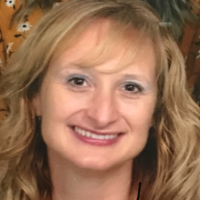
Anne Douglas
LMFTNorth Carolina
- 25 yrs practicing
Stress, Anxiety · Relationship · Family · +16
Read profileTherapist listings on this page link to BetterHelp. We will earn a commission if you sign up through one of those links, at no extra cost to you.
This page highlights therapists who list phobias as a specialty and describe approaches for addressing specific fears. Browse the listings below to compare therapeutic approaches, credentials, languages, and client focus areas to find a suitable match.
North Carolina
Stress, Anxiety · Relationship · Family · +16
Read profileHawaii
Stress, Anxiety · Addictions · Relationship · +2
Read profileFlorida
Stress, Anxiety · Relationship · Family · +12
Read profileTexas
Stress, Anxiety · Addictions · Trauma and abuse · +15
Read profileNorth Carolina
Stress, Anxiety · Relationship · Trauma and abuse · +12
Read profileIndiana
Stress, Anxiety · Relationship · Family · +13
Read profileFlorida
Stress, Anxiety · Relationship · Family · +14
Read profileNew Jersey
Stress, Anxiety · Relationship · Trauma and abuse · +14
Read profileCalifornia
Stress, Anxiety · Addictions · Relationship · +15
Read profileSouth Carolina
Stress, Anxiety · Relationship · Family · +3
Read profileGeorgia
Stress, Anxiety · Relationship · Family · +17
Read profileTexas
Stress, Anxiety · Self esteem · Career · +7
Read profileCalifornia
Trauma and abuse · Intimacy-related issues · Bipolar · +10
Read profileCalifornia
Stress, Anxiety · Relationship · Trauma and abuse · +2
Read profileCalifornia
Stress, Anxiety · Relationship · Trauma and abuse · +13
Read profileWashington
Stress, Anxiety · Relationship · Family · +17
Read profileCalifornia
Stress, Anxiety · Relationship · Parenting · +13
Read profileCalifornia
Stress, Anxiety · Relationship · Family · +13
Read profileCalifornia
Stress, Anxiety · Addictions · Relationship · +10
Read profilePhobias are intense, persistent fears of particular objects, activities, or situations that lead to avoidance and distress. For some people a phobia centers on animals or insects; for others it involves heights, flying, enclosed spaces, blood-related stimuli, or social situations. While a brief startle or discomfort is common, a phobia can interfere with daily routines, work, relationships, and travel when fear responses become overwhelming or unpredictable. You may notice physical symptoms such as rapid heartbeat, sweating, trembling, or difficulty breathing when faced with the feared trigger, and these reactions can reinforce avoidance behaviors over time.
Phobias do not look the same for everyone. Some people experience a clear pattern tied to a single trigger, and others encounter broader anxiety around situations that might bring them into contact with a feared object. Cultural background, past experiences, and personal coping strategies shape how phobias present. Understanding that phobic responses are a learned pattern of fear and avoidance can help you see why targeted therapeutic work often focuses on changing how you respond to triggers rather than simply eliminating fear altogether.
If you are wondering whether therapy could be useful, pay attention to the ways fear influences choices and quality of life. You might notice that you avoid places, activities, or people because of a fear that feels out of proportion to the actual danger. Work, social opportunities, travel plans, or daily errands may be limited by attempts to sidestep triggers. You may also experience mounting anxiety in anticipation of a situation long before it occurs, which can drain energy and make it difficult to concentrate on other tasks.
Another sign is when coping strategies begin to create new problems. Relying on alcohol, medication not prescribed for this purpose, or rigid routines to prevent exposure can cause secondary stress. You may also feel frustrated by repeated attempts to manage fear on your own, or you may notice that fear interferes with relationships because loved ones are enlisted to help avoid triggers. If these patterns describe your experience, therapy can offer a structured way to learn different responses and to practice skills in a supportive setting.
Early sessions typically focus on understanding the history and current impact of the phobia. A therapist will ask about the onset of fear, situations that trigger symptoms, coping strategies you already use, and specific goals you want to work toward. You and the therapist can define measurable, realistic steps - such as attending a social event, completing a flight, or entering a building - and create a collaborative plan to approach those goals gradually.
Therapy for phobias often emphasizes gradual exposure and skill-building rather than rapid confrontation. Sessions may include discussion, guided breathing or relaxation exercises, cognitive techniques to address anxious thoughts, and in-session practice with imagined or real exposures when appropriate. The pace is typically tailored to your comfort and readiness, with homework or between-session practice used to build confidence. Progress is measured in practical terms - how often you tolerate triggers, how long you can remain in a feared situation, and how much distress decreases over time.
Cognitive-behavioral strategies are commonly applied to phobias. These strategies focus on identifying and reshaping unhelpful thought patterns that amplify fear while building new behavioral responses. Exposure-based techniques are central to many treatment plans because repeated, controlled exposure to a feared stimulus tends to reduce anxiety responses over time. Exposure can be imaginal, in-vivo - meaning real-life practice - or simulated through technology.
Acceptance-oriented methods and mindfulness practices are sometimes integrated to help you observe anxious thoughts without acting on them, which can reduce avoidance. Some therapists describe using approaches such as virtual reality exposure and relaxation training, and you may find therapists who list EMDR among their approaches for trauma-related fear reactions. The important point is to look for professionals who describe methods that match your preferences - whether that means a structured cognitive-behavioral path, a skills-focused approach, or a combination of techniques to address the emotional, cognitive, and behavioral aspects of fear.
Online therapy can be an effective option for many people seeking help with phobias because it removes geographic barriers and allows for flexible session formats. Video sessions recreate face-to-face interactions and let you practice coping skills in the real-life environments where triggers occur. A therapist can guide exposure exercises during a video call, help you plan gradual in-person practice, or use screen-based materials for psychoeducation and guided imagery. If technology and a reliable internet connection are available, you can receive consistent support even when travel is challenging.
Online formats also make it easier to involve contextual elements in sessions - for example, showing images, videos, or recorded sound exposures that pertain to your fear, or practicing social skills during a live interaction. Some therapists describe offering hybrid care that blends online sessions with occasional in-person visits when hands-on practice is helpful. Regardless of format, clear communication about session goals, safety planning for intense anxiety, and expectations for between-session practice will help you get the most from online work.
When comparing therapists, focus on the fit between their described approach and your needs. Read profiles to see whether practitioners list phobias, specific fear types, or anxiety disorders among their specialties. Pay attention to the therapeutic modalities they mention and look for language that aligns with gradual exposure, cognitive work, or acceptance-based strategies if those match your preferences. Note credentials and professional background to understand the clinician's general orientation and years of experience, while remembering that profiles reflect how therapists describe their practice rather than documented certifications in particular methods.
Consider practical match factors such as communication style, language abilities, and whether the therapist indicates experience with the kinds of situations you want to address - for example, public speaking or medical-related fears. It can be useful to review session structure descriptions so you know whether a therapist emphasizes homework, in-session practice, or skills training. Trust your instincts about rapport; feeling heard and understood often makes work on phobias more manageable because you are more likely to take the small, repeated steps that lead to lasting change.
Therapy for phobias is a collaborative process that centers on gradual, measurable progress. Whether you choose in-person, online, or a hybrid approach, look for a therapist whose methods and communication style resonate with your goals. With clear objectives, supportive guidance, and consistent practice, many people find that fear becomes less controlling and opportunities expand. Use the listings above to learn more about therapists' approaches and backgrounds so you can select a practitioner to support the particular path you want to take.
Alabama
13 therapists
Arizona
17 therapists
California
1441 therapists
Colorado
29 therapists
Connecticut
16 therapists
Florida
174 therapists
Georgia
46 therapists
Hawaii
18 therapists
Idaho
10 therapists
Illinois
20 therapists
Indiana
38 therapists
Iowa
7 therapists
Kentucky
14 therapists
Louisiana
24 therapists
Massachusetts
8 therapists
Michigan
13 therapists
Minnesota
45 therapists
Mississippi
7 therapists
Missouri
17 therapists
Nevada
35 therapists
New Jersey
21 therapists
New York
45 therapists
North Carolina
48 therapists
Oklahoma
36 therapists
Oregon
23 therapists
Pennsylvania
18 therapists
South Carolina
16 therapists
Tennessee
37 therapists
Texas
144 therapists
Utah
24 therapists
Virginia
17 therapists
Washington
36 therapists
Wisconsin
17 therapists