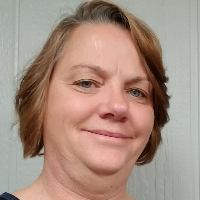
About Mary
Mary Geiger uses practical, evidence-informed approaches to help people manage stress, addiction, anxiety, and trauma. She is a licensed clinical professional counselor, LCPC, and a licensed marriage and family therapist, LMFT, practicing in Montana.
Background and approach
Her manner is warm and straightforward so people feel heard from the first session. Mary draws from several proven methods to match the work to each person’s needs.
She often uses cognitive-behavioral techniques to change unhelpful thoughts and behaviors. She also uses acceptance and commitment ideas to help people notice what matters and make room for difficult feelings without being overwhelmed by them.
Her experience includes work in substance abuse treatment and mental health settings, including providing services in a corrections environment. That background informs how she approaches addiction, depression, and trauma with clear goals and concrete skills practice.
Mary emphasizes practical tools that can be used between sessions. She works with adults, adolescents, and children in a way that respects their pace and priorities.
Sessions are collaborative - she listens first, then suggests focused strategies and homework to try. Progress is tracked so goals stay realistic and measurable.
Outside of clinical work she enjoys travel, hiking, and family time with her grandchildren. Those personal interests influence a down-to-earth style that many people find relatable and steady.
How practical approaches work in online therapy
Acceptance and Commitment Therapy (ACT) helps people notice painful thoughts and feelings without letting them dictate actions, and then choose behaviors that reflect their values. This can be useful for anxiety, avoidance, and coping with life changes. Cognitive Behavioral Therapy (CBT) focuses on identifying unhelpful thought patterns and testing new behaviors to reduce symptoms like depression and anxiety. It often includes simple exercises to practice between sessions. Dialectical Behavior Therapy (DBT) offers skills in emotion regulation, distress tolerance, and interpersonal effectiveness, which can help with intense mood swings, anger, and relationship strain.Choosing the right approach is part of the work. The therapist will talk with each person about their goals and preferences and then suggest methods to try. Sessions are collaborative and adjusted over time based on what helps most.
Online formats available include video calls, phone sessions, live chat, and text-based messaging. Video works well for in-depth conversations and skills practice. Phone sessions are a good option when bandwidth is limited or for a focused check-in. Live chat and text messaging make shorter check-ins and step-by-step coaching possible between longer sessions. These options are meant to increase flexibility so people can fit therapy into their daily life.
Frequently asked questions
What kinds of concerns does this therapist address?
How would you describe the therapy style and approach?
What relevant experience does the therapist have?
What credentials and location are listed?
Are sessions offered in languages other than English or to international clients?
What session formats are available for online work?
How is cost handled for sessions?
How do I get started with therapy?
Specialties and expertise
Top specialties
Also works with
- Abandonment
- ADHD
- Anger management
- Antisocial personality
- Attachment issues
- Bipolar disorder
- Codependency
- Communication problems
- Coping with life changes
- Dependent personality
- Depression
- Eating disorders
- Family conflicts
- Grief
- Guilt and shame
- Intimacy-related issues
- Isolation / loneliness
- LGBT
- Mood disorders
- Parenting issues
- Post-traumatic stress
- Relationship issues
- Self esteem
- Sleeping disorders
Therapeutic approaches
- Experience
- 14 years
- Licensed
- Montana
- Languages
- English