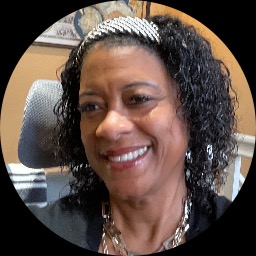
About Monique
Monique Ambrester is a licensed marriage and family therapist who helps people facing stress, anxiety, relationship strains, family conflict, parenting challenges, and depression. She writes and talks plainly, so conversations are direct and easy to follow.
Background and approach
Monique aims to make the first steps toward change feel manageable for worried parents and busy adults. She brings 17 years of experience working with many family-related concerns.
That includes adoption and foster care matters, attachment and blended family issues, caregiver stress, and divorce or separation. She also addresses codependency, communication and control problems, feelings of emptiness, guilt, and family of origin issues.
Sessions are shaped around each person’s needs. Monique listens for patterns that keep people stuck and then helps develop practical ways to respond differently.
She focuses on building clearer communication, healthier boundaries, and steadier emotion management at home. Her style is respectful and compassionate.
Monique will personalize the pace and plan so it fits the family situation and parenting demands. She emphasizes small, actionable steps that can be used between sessions.
Monique practices in California as an LMFT, which stands for Licensed Marriage and Family Therapist. She offers support in English and accepts clients from outside the United States.
The goal is steady progress, not quick fixes, with emphasis on skills that make daily life feel more manageable.
Approaches that guide online sessions
Monique uses evidence-based therapeutic techniques that focus on practical change and clearer connection. One common approach helps people learn better communication and conflict skills so daily interactions become less tense and more predictable. Another emphasizes emotion regulation and coping strategies that reduce anxiety and make parenting moments feel calmer. These approaches are about hands-on skills you can practice between sessions to notice real improvements.Choosing the right approach is a collaborative process. The therapist will talk with the client about goals, daily routines, and what feels most urgent, then shape sessions to match those needs. Expectations and techniques can be adjusted over time as progress is tracked together.
Online sessions use video calls, phone sessions, live chat, or text-based messaging to make therapy flexible. Video calls allow face-to-face work similar to an office visit. Phone sessions can fit into a busy day or when bandwidth is limited. Live chat or text messaging are useful for brief check-ins, coping reminders, or when typing feels easier than speaking. These options help parents and caregivers fit therapy into real life and keep momentum between appointments.
Frequently asked questions
What issues does Monique commonly address?
How would you describe her therapeutic style?
What is her experience working with these concerns?
What credential does she hold and where is she based?
Can I work with her if I live outside the United States?
Which session formats are offered?
How are sessions paid for and what does it cost?
What do I need to do to start working together?
Specialties and expertise
Top specialties
- Stress, Anxiety
- Relationship issues
- Family conflicts
Also works with
- Adoption and foster care
- Attachment issues
- Blended family issues
- Caregiver issues and stress
- Codependency
- Commitment issues
- Communication problems
- Control issues
- Dependent personality
- Depression
- Disruptive Mood Dysregulation Disorder (DMDD)
- Divorce and separation
- Emptiness
- Family of origin issues
- Family problems
- Guilt and shame
- Infidelity
- Isolation / loneliness
- Jealousy
- Life purpose
- Midlife crisis
- Mood disorders
- Multicultural concerns
- Parenting issues
- Postpartum depression
- Pregnancy and childbirth
- Seasonal Affective Disorder (SAD)
- Self-love
- Social anxiety and phobia
- Women's issues
- Young adult issues
- Experience
- 17 years
- Licensed
- California
- Languages
- English