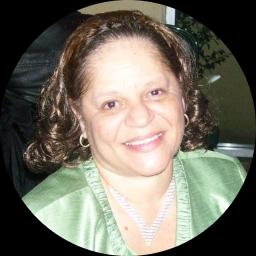
About Monique
Monique Young is a licensed marriage and family therapist who offers calm, practical support for stress, anxiety, grief, depression, trauma, and LGBT concerns. She uses straightforward conversation and clear planning to help people take small steps toward feeling better.
Background and approach
Monique speaks English and works with clients across California and beyond. With five years of clinical experience, Monique focuses on coping skills and emotional recovery.
She tailors discussions and plans to each person’s situation. Common concerns she addresses include panic attacks, social anxiety, mood problems, and post-traumatic stress.
She also helps people struggling with caregiver stress, communication problems, guilt, shame, and loneliness. Sessions often center on learning new ways to manage overwhelming feelings and rebuild trust in oneself.
Monique guides people through forgiveness work and strengthening self-love when needed. Monique aims to create a respectful and sensitive space.
She emphasizes practical tools alongside honest conversation. Together, she and the client set goals and track progress in ways that fit daily life.
For people unsure how to begin, Monique supports the first steps of change. She encourages small experiments between sessions and checks in on what is working.
Her approach is collaborative and paced to each person’s comfort level.
Evidence-Based Techniques and Online Care
Monique uses evidence-based therapeutic techniques that focus on practical coping and emotional processing. One common approach emphasizes skill-building for anxiety and panic - teaching breathing, grounding, and step-by-step exposure to reduce avoidance and regain daily functioning. Another approach focuses on trauma and grief work by helping people name painful memories, regulate strong emotions, and slowly build new ways of relating to those experiences. Choosing the right approach is a collaborative process. Monique will talk with each person about goals, preferences, and what feels most helpful. Together they try methods, notice what makes a difference, and adjust the plan as needed. Online sessions are offered via video calls, phone sessions, live chat, and text-based messaging to fit different needs. Video allows for face-to-face conversation and visual cues, while phone sessions can be easier when a quieter or lower-bandwidth option is required. Live chat and text messaging are useful for brief check-ins, shorter reflections, or when writing feels easier than speaking. These formats make it simpler to fit therapy into work breaks, caregiving schedules, or travel, and they offer flexible ways to keep steady progress between sessions.Frequently asked questions
What kinds of problems does she help with?
What is her general approach in sessions?
How much clinical experience does she have?
Where is she licensed and based?
Can I work with her if I live outside the United States?
What session formats are available?
How is cost handled for sessions?
How do I begin working with her?
Specialties and expertise
Top specialties
Also works with
- Experience
- 5 years
- Licensed
- California
- Languages
- English