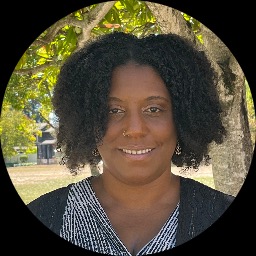
About Rhonda
Rhonda Robertson is a licensed marriage and family therapist in California who helps people facing stress, anxiety, addiction, trauma, and relationship strain. She speaks plainly and aims to make the first step into therapy feel less overwhelming.
Background and approach
Rhonda has four years of professional experience as an LMFT and works to create an open space for people to share hard thoughts and feelings. In sessions she focuses on what matters most to each person and on small, doable steps that fit daily life.
She uses practical techniques to reduce anxious thinking and to build more helpful habits. For people dealing with addiction or trauma she offers steady support and tools to manage triggers and strong emotions.
Rhonda draws on Acceptance and Commitment Therapy and Cognitive Behavioral Therapy to help people notice unhelpful patterns and try new responses. She also uses client-centered techniques to listen deeply and follow the person’s pace.
Solution-focused ideas are used to set short-term goals and track progress. Her approach is collaborative and straightforward.
She helps people identify values, set clear goals, and practice simple skills between sessions. Parents who are juggling stress or postpartum depression can find practical strategies for coping and managing day-to-day demands.
Rhonda offers video calls, phone sessions, live chat, and text-based messaging to make therapy fit varied schedules. Sessions are offered in English and she practices from California as an LMFT.
How online approaches and therapy methods fit your life
Acceptance and Commitment Therapy helps people notice unhelpful thoughts without getting stuck in them and then act on what matters most. It can be useful for anxiety, stress, and making changes connected to values. Cognitive Behavioral Therapy focuses on identifying upsetting thought patterns and testing new behaviors to reduce symptoms and improve daily functioning. It is often used for anxiety, depression, and coping after trauma.Finding the right approach is part of the work together. The therapist will talk with the client about goals, preferences, and what feels most helpful. Together they will pick strategies to try and adjust them as progress is made so the plan stays practical and relevant.
Online therapy formats include video calls, phone sessions, live chat, and text-based messaging. Video sessions let people use visual cues and longer talk time, while phone sessions work well when bandwidth is limited or a session needs to fit into a short break. Live chat and text messaging suit quick check-ins, brief coaching, or people who prefer typing over speaking. These options make therapy more flexible and easier to fit into busy days.
Frequently asked questions
What concerns does Rhonda commonly address?
What kind of therapy style should I expect?
How much experience does she have?
What credentials and location are listed?
Which languages are available for sessions?
Can international clients work with her?
What session formats are offered?
How does the subscription and cost work?
Specialties and expertise
Top specialties
- Stress, Anxiety
- Addictions
- Relationship issues
Also works with
- Abandonment
- ADHD
- Attachment issues
- Body image
- Caregiver issues and stress
- Codependency
- Coping with natural or human-caused disaster
- Depression
- Drug and alcohol addiction
- Eating and food-related issues
- Family of origin issues
- Family problems
- Grief
- Guilt and shame
- Immigration issues
- Multicultural concerns
- Parenting issues
- Post-traumatic stress
- Postpartum depression
- Pregnancy and childbirth
- Prejudice and discrimination
- Self-harm
- Sexual assault and abuse
- Trauma and abuse
- Women's issues
- Young adult issues
Therapeutic approaches
- Experience
- 4 years
- Licensed
- California
- Languages
- English