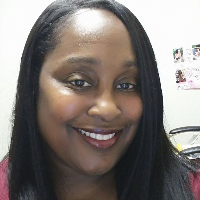
About Sharlese
Sharlese Jones uses practical, evidence-based approaches to help people manage hard moments and make steady change. She is a Licensed Marriage and Family Therapist, and she brings 18 years of clinical experience to conversations about stress, mood, relationships, and identity.
Background and approach
Sharlese writes plainly and listens closely so people feel heard and understood from the first conversation. She focuses on common struggles like anxiety, depression, bipolar challenges, and addictions.
She also helps people dealing with grief, trauma and abuse, anger, sexual intimacy concerns, parenting strain, career pressure, and self-esteem issues. She works with LGBT concerns and supports people navigating transgender-related experiences.
Sessions are practical and goal-focused. Sharlese helps clients name what matters most, try small changes, and track what helps.
She emphasizes clear steps someone can use between sessions to manage symptoms and feel more in control. Her background includes nearly two decades of direct clinical work in California, where she developed skills helping people across many life stages and situations.
She aims to be warm, straightforward, and steady in the therapy room. People who choose Sharlese can expect a collaborative process.
She meets clients where they are, checks in about progress, and adjusts plans when needed. Her approach centers on building skills, strengthening self-awareness, and creating practical plans for daily life.
Evidence-based approaches through online care
Sharlese uses practical, evidence-based techniques that help people notice patterns and build new skills. One common approach focuses on skill building for mood and anxiety - it teaches breathing and thought strategies, activity scheduling, and simple behavior changes that reduce worry and lift mood. This approach is useful for stress, anxiety, depression, and bipolar symptom management.Another core method involves processing trauma and grief through structured conversations and paced exposure to difficult memories. That work aims to reduce avoidance, increase coping skills, and help people regain a sense of control after painful events. These methods are targeted at trauma, grief, and abuse-related struggles.
Finding the right approach is part of the collaborative process. The therapist will review your concerns, talk about goals and preferences, and together decide which techniques to try first. Plans are adjusted as you report what helps and what does not.
Online formats include video calls, phone sessions, live chat, and text-based messaging. Video is useful for a fuller conversation and visual cues. Phone sessions work well when bandwidth is limited or a shorter check-in is needed. Live chat and text messaging offer flexible, brief support between longer sessions. These options make it easier to fit therapy into busy schedules and different daily routines.
Frequently asked questions
What kinds of concerns can be addressed here?
What is the therapist's general style in sessions?
How much experience does this clinician have?
What are the therapist's credentials and location?
In what languages are sessions offered?
What session formats are available?
How does billing and cost work?
How do I begin working together?
Specialties and expertise
Top specialties
- Stress, Anxiety
- Relationship issues
- Self esteem
Also works with
- Addictions
- Anger management
- Bipolar disorder
- Career difficulties
- Depression
- Family conflicts
- Grief
- Intimacy-related issues
- LGBT
- Parenting issues
- Trauma and abuse
- Experience
- 18 years
- Licensed
- California
- Languages
- English