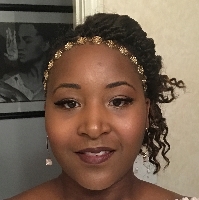
Shequitta Lenoir, LMFT
Practical skills for calmer days and clearer relationships
About Shequitta
Shequitta Lenoir is a Licensed Marriage and Family Therapist who uses practical, evidence-based methods to help people manage stress, mood changes, and relationship struggles. Shequitta writes and speaks plainly in sessions and aims to teach skills clients can use day to day.
Background and approach
Shequitta earned a Bachelor of Science in psychology from Ball State University and a Master’s degree in Marriage and Family Therapy from Argosy University. She has seven years of licensed practice experience and additional years working in mental health settings before licensure.
That background includes supporting people with substance use concerns and persistent mental health conditions. In sessions she focuses on skill-building.
She often uses Dialectical Behavior Therapy to teach emotion regulation and distress tolerance. Cognitive Behavioral Therapy is used to spot unhelpful thinking and try alternative responses.
Motivational Interviewing helps people find their own reasons to change. Shequitta helps people address relationship and family issues, self-esteem and confidence, anxiety and depression, bipolar mood concerns, grief, trauma and abuse, and addiction-related struggles.
She also supports people facing parenting stress, anger, intimacy issues, compassion fatigue, ADHD, and life changes. Her style is direct and collaborative.
She works with each person to set clear goals and practice skills between sessions. The aim is reduced overwhelm and more manageable day-to-day living.
Evidence-based techniques for online care
Shequitta commonly uses Dialectical Behavior Therapy to teach concrete skills for managing intense emotions and tolerating distress, which can help with anger, self-harm urges, and strong mood swings. Cognitive Behavioral Therapy is used to identify unhelpful thoughts and try different behaviors, which often helps with anxiety, depression, and low self-esteem.Choosing the right approach is a cooperative process. The therapist will talk with the person about goals and preferences, try techniques, and adjust the plan as needed to find what works best together.
Online therapy offers flexible ways to meet. Video calls allow face-to-face conversation and visual cues. Phone sessions work well when bandwidth is limited or a shorter check-in is needed. Live chat and text-based messaging let people send thoughts in writing and fit therapy into busy days without being on camera. These options make it easier to keep continuity of care and practice skills between sessions.
Frequently asked questions
What concerns does this therapist address?
What is her therapeutic style like?
What experience does she bring?
Where is she licensed and based?
Which languages are available for sessions?
What session formats are offered?
How does pricing work?
How do I begin working with her?
Specialties and expertise
Top specialties
- Relationship issues
- Family conflicts
- Self esteem
Also works with
- Addictions
- ADHD
- Anger management
- Bipolar disorder
- Compassion fatigue
- Coping with life changes
- Depression
- Grief
- Intimacy-related issues
- LGBT
- Parenting issues
- Stress, Anxiety
- Trauma and abuse
- Experience
- 7 years
- Licensed
- Minnesota, Texas
- Languages
- English