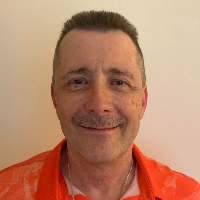
Stephen (Steve) Yates, LMFT
Experienced therapist for stress and relationships
About Stephen
Stephen (Steve) Yates helps people facing stress, anxiety, depression, relationship struggles, and major life changes. He draws on decades of clinical work to offer practical ways to manage emotions and get unstuck.
Background and approach
Steve presents ideas in clear, everyday language so people can try them between sessions. He uses a mix of approaches rather than one fixed method.
Sessions tend to focus on what the person needs now - skills for coping, steps to improve communication, or guided conversations about painful experiences. Steve aims to make therapy straightforward and usable from week to week.
Over a 35-year career Steve has worked in many settings, including inpatient and outpatient care and relationship-focused work. That background informs how he tailors strategies for different problems, from mood disorders to trauma and grief.
He also has experience with first responder issues and addiction-related concerns. Steve is a licensed marriage and family therapist - LMFT - practicing in Idaho.
He helps people dealing with parenting strain, intimacy issues, anger, and chronic worries. He also supports those facing identity and purpose questions, codependency, and the challenges of autism and Asperger Syndrome.
In sessions clients can expect straightforward tools drawn from Cognitive Behavioral Therapy, Acceptance and Commitment Therapy, Dialectical Behavior Therapy, and Emotionally-Focused methods. The pace is collaborative: goals are set together and adjusted as progress is made.
Sessions focus on concrete steps you can use between meetings.
How therapy approaches translate to online work
Acceptance and Commitment Therapy (ACT) helps people clarify what matters to them and take small steps toward those values while learning to live with difficult thoughts. It can be helpful for anxiety, depression, and coping with life changes. Cognitive Behavioral Therapy (CBT) focuses on identifying unhelpful thinking patterns and testing them with practical experiments and skills practice to reduce symptoms such as worry, low mood, or obsessive thinking. Emotionally-Focused Therapy (EFT) centers on understanding key emotions in relationships and enhancing connection through guided conversations and new interaction patterns.Choosing the right approach is a collaborative process. The therapist will listen to your goals and preferences, then suggest methods to try together. Plans are adjusted based on what helps most, so the work evolves with your needs.
Online sessions are offered by video calls, phone sessions, live chat, or text-based messaging to fit different schedules and needs. Video calls work well when visual cues matter for relationship and emotion-focused work. Phone sessions require less bandwidth and can fit into a short break. Live chat and text messaging support quick check-ins, written exercises, and ongoing skill practice between sessions. These options make it easier to maintain consistency and apply techniques in daily life.
Frequently asked questions
What concerns does this therapist help with?
What is his general therapy style?
What kind of background does he have?
What credentials and location are listed?
Are sessions offered in other languages or internationally?
Which session formats are available?
How is cost handled?
How do I begin working with him?
Specialties and expertise
Top specialties
- Stress, Anxiety
- Relationship issues
- Family conflicts
Also works with
- Anger management
- Autism and Asperger Syndrome
- Bipolar disorder
- Codependency
- Commitment issues
- Communication problems
- Coping with life changes
- Depression
- Divorce and separation
- Drug and alcohol addiction
- Emptiness
- Family problems
- First responder issues
- Forgiveness
- Grief
- Guilt and shame
- Intimacy-related issues
- Isolation / loneliness
- Life purpose
- Mood disorders
- Obsessions, compulsions, and OCD
- Panic disorder and panic attacks
- Parenting issues
- Phobias
- Seasonal Affective Disorder (SAD)
- Self esteem
- Self-harm
- Self-love
- Social anxiety and phobia
- Trauma and abuse
- Workplace issues
- Young adult issues
Therapeutic approaches
- Experience
- 35 years
- Licensed
- Idaho
- Languages
- English