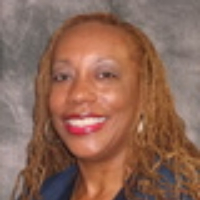
About Wandalyn
Wandalyn Lane greets people with a calm, practical approach. She is a licensed marriage and family therapist, LMFT, practicing in California and has fifteen years of experience.
Background and approach
She aims to make the first steps toward change feel manageable and clear. Wandalyn focuses on common struggles such as anxiety, depression, stress, grief, relationship and intimacy concerns, and addiction.
She also supports people facing parenting stress, caregiver burnout, workplace challenges, and life changes like divorce or blended family transitions. Her background includes work with adoption and foster care issues and survivors of trauma and abuse.
In sessions she keeps the work warm and interactive. Conversations are tailored to each person, not a one-size-fits-all plan.
She uses practical strategies drawn from Client-Centered Therapy and Cognitive Behavioral Therapy, along with mindfulness and narrative techniques, to help people find what works for them. Wandalyn blends steady listening with skill-building.
That can mean noticing unhelpful thinking patterns, practicing grounding or mindfulness exercises, or reshaping stories people tell about themselves. She also uses motivational interviewing to help when people feel stuck or unsure about change.
People can expect straightforward, respectful dialogue focused on small, doable steps. Wandalyn helps clients set realistic goals and practice new habits between sessions.
Her aim is to support growth while keeping progress realistic and sustainable.
How Wandalyn Uses Practical Approaches Online
Client-Centered Therapy focuses on listening closely and shaping sessions around the person's own goals; it helps when someone needs a space to be heard and to make sense of their feelings. Cognitive Behavioral Therapy, or CBT, looks at thoughts and behaviors to find small, concrete changes that ease anxiety, depression, or unhealthy patterns. Mindfulness Therapy teaches simple attention and breathing practices to reduce stress and to increase awareness of emotions and body signals.Choosing an approach is a collaborative process. The therapist will discuss your goals, try a few techniques, and adjust the plan as needed. People often mix methods over time so the work fits real life and changes with progress.
Online formats include video calls, phone sessions, live chat, and text-based messaging. Video is useful for deeper conversations and exercises that use body language. Phone sessions work well when bandwidth is limited or for a check-in between longer meetings. Live chat and text let people do shorter updates, homework check-ins, or brief problem-solving during a busy day. These options make scheduling easier and let people keep momentum between appointments.
Frequently asked questions
What concerns does this therapist address?
How would you describe her therapy style?
What is her professional background?
What credential and location does she hold?
Can I work with her if I live outside the U.S.?
Which session formats are available online?
How are sessions paid for and what do they cost?
What steps are needed to begin therapy?
Specialties and expertise
Top specialties
- Stress, Anxiety
- Relationship issues
- Family conflicts
Also works with
- Addictions
- Adoption and foster care
- Anger management
- Blended family issues
- Career difficulties
- Caregiver issues and stress
- Codependency
- Communication problems
- Compassion fatigue
- Coping with life changes
- Depression
- Divorce and separation
- Domestic violence
- Family problems
- Forgiveness
- Grief
- HIV / AIDS
- Intimacy-related issues
- LGBT
- Life purpose
- Parenting issues
- Self esteem
- Self-love
- Trauma and abuse
- Women's issues
- Workplace issues
Therapeutic approaches
- Experience
- 15 years
- Licensed
- California
- Languages
- English