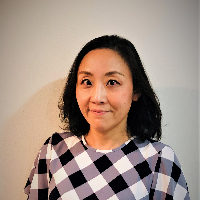
Yuki Sugisaki, LMFT
Calm, practical support for relationship and addiction challenges
About Yuki
Yuki Sugisaki uses relationship-focused approaches to help people feel steadier and more understood. She is a licensed marriage and family therapist (LMFT) practicing in California with 14 years of experience.
Background and approach
She speaks English and Japanese and works with people facing addiction, mood struggles, anxiety, grief, and relationship or family stress. She combines Attachment-Based ideas with Emotionally-Focused and Client-Centered approaches.
In sessions she pays attention to patterns in how people relate, and to the feelings that get stuck in those patterns. Conversations aim to make emotions clearer and to open up new ways of connecting with others.
Cognitive Behavioral Therapy and Dialectical Behavior Therapy tools are used for skills when people feel overwhelmed. Practical tools such as thought records, grounding techniques, and emotional regulation skills are taught and practiced.
The focus is on steps that can be used between sessions to manage intense moments. Sugisaki also brings long experience working with addiction and co-occurring concerns.
She helps people sort out cravings, setbacks, and the ripple effects of substance use on relationships and daily life. She listens for what matters most to each person and tailors practical next steps.
Sessions can address parenting stress, caregiving strain, eating-related issues, and career or life purpose questions. She accepts international clients and can work in English or Japanese.
New clients follow a short matching questionnaire and then schedule sessions based on availability.
How attachment work and skills-based therapy translate online
Attachment-Based Therapy focuses on how relationships shape feelings and behavior; it helps when patterns of trust, closeness, or distance cause pain in day-to-day life. Emotionally-Focused Therapy helps people notice and name strong feelings and use those emotions to change how they relate to others. Cognitive Behavioral Therapy teaches concrete skills to change unhelpful thoughts and behaviors, and it is useful for anxiety, depression, and compulsive patterns.Finding the right approach is part of therapy. The therapist will work together with the client to pick methods that fit their goals, pace, and preferences. That collaborative process may include trying a few techniques and adjusting based on what helps most.
Online therapy offers several practical benefits. Video calls let the therapist see nonverbal cues and allow longer, in-depth sessions. Phone sessions are useful when bandwidth is low or when someone prefers not to be on camera. Live chat and text-based messaging suit quick check-ins, coping reminders, or shorter coaching-style support during the week. These options make it easier to fit therapy into work, caregiving, or travel schedules while still accessing attachment-focused and skills-based care.
Frequently asked questions
What concerns does this therapist commonly address?
What is the therapy style like?
What background does the therapist have?
What credentials and location are on file?
Which languages are supported and are international clients accepted?
What session formats are available?
How does payment and cost work?
How do I begin working with this therapist?
Specialties and expertise
Top specialties
- Stress, Anxiety
- Addictions
- Relationship issues
Also works with
- Abandonment
- ADHD
- Anger management
- Bipolar disorder
- Career difficulties
- Caregiver issues and stress
- Coaching
- Compassion fatigue
- Coping with life changes
- Depression
- Drug and alcohol addiction
- Eating and food-related issues
- Eating disorders
- Family conflicts
- Grief
- HIV / AIDS
- Hoarding
- Immigration issues
- Infidelity
- Intimacy-related issues
- Isolation / loneliness
- LGBT
- Life purpose
- Money and financial issues
- Obsessions, compulsions, and OCD
- Panic disorder and panic attacks
- Parenting issues
- Post-traumatic stress
- Seasonal Affective Disorder (SAD)
- Self esteem
- Sex addiction
- Sleeping disorders
- Smoking / vaping cessation
- Social anxiety and phobia
- Trauma and abuse
- Young adult issues
Therapeutic approaches
- Experience
- 14 years
- Licensed
- California
- Languages
- English, Japanese